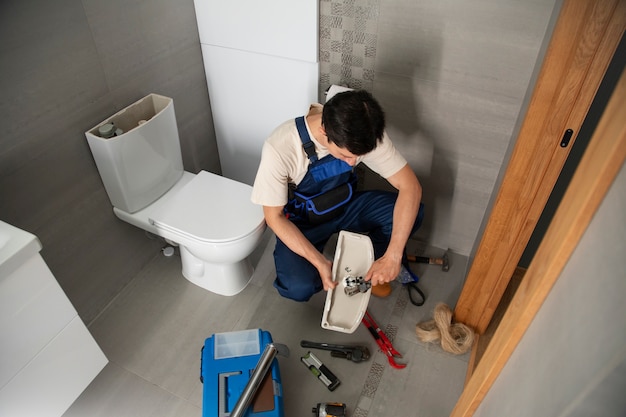
Ensuring a safe workplace is not just a legal obligation but a fundamental aspect of responsible business management. Workplace safety inspections are a crucial part of maintaining a secure environment for employees, clients, and visitors. These inspections can identify potential hazards, ensure compliance with occupational safety regulations, and promote a culture of safety. With increasing workplace complexities, regular safety inspections become even more vital to prevent accidents and enhance productivity.
Understanding the Importance of Safety Inspections
Workplace safety inspections are integral to identifying risks and implementing preventive measures. Without regular checks, businesses may overlook potential hazards that could lead to accidents or injuries. Here are some key reasons why safety inspections are essential:
- Identify and mitigate potential hazards before they cause harm.
- Ensure compliance with safety regulations and standards.
- Enhance employee awareness and involvement in safety practices.
- Reduce the likelihood of workplace accidents and associated costs.
For those seeking detailed strategies on conducting effective safety inspections, discover expert strategies here.
Components of a Comprehensive Safety Inspection
Planning and Preparation
A thorough safety inspection starts with meticulous planning. It involves identifying areas of focus, determining the necessary resources, and setting clear objectives. Proper preparation ensures that the inspection process is efficient and comprehensive.
Execution of the Inspection
During the inspection, it’s crucial to:
- Use checklists to ensure all areas are covered.
- Engage employees by seeking their input and observations.
- Document findings with notes and photographs for future reference.
- Address immediate hazards to prevent accidents.
For guidance on executing inspections, learn about our tailored solutions.
Post-Inspection Actions
Following the inspection, it is crucial to analyze the findings and implement corrective actions. This involves:
- Reviewing documented hazards and prioritizing them based on risk levels.
- Developing action plans to address identified issues.
- Communicating findings and action plans to all stakeholders.
- Monitoring the implementation of corrective actions to ensure effectiveness.
Find out more about this approach by exploring advanced guides and tips.
Benefits of Regular Safety Inspections
Regular safety inspections offer numerous benefits that extend beyond compliance and accident prevention:
- Foster a proactive safety culture within the organization.
- Boost employee morale and productivity by creating a secure work environment.
- Minimize potential liabilities and financial losses from accidents.
- Enhance the organization’s reputation as a safe and responsible employer.
To explore more about implementing safety inspections effectively, learn about our tailored solutions.
Conclusion
Workplace safety inspections are an indispensable tool in maintaining a safe and productive environment. By identifying risks and implementing effective controls, organizations can protect their most valuable assets?their people. Regular inspections not only ensure compliance but also demonstrate a commitment to safety and excellence. For comprehensive resources and expert insights on conducting workplace safety inspections, explore advanced guides and tips.
About the Author