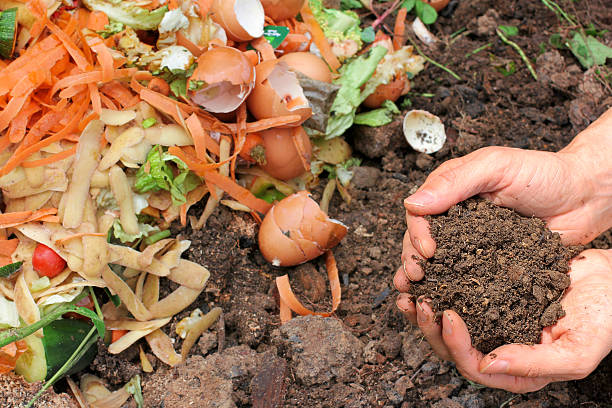
Vancouver is known for its stunning landscapes and commitment to sustainability. As part of its ongoing efforts to minimize environmental impact, the city has embraced organics recycling in a big way. This initiative aims to reduce landfill waste, lower greenhouse gas emissions, and promote a greener future. Organics recycling involves the collection and processing of organic waste, such as food scraps and yard trimmings, to create compost and other valuable products. By adopting this practice, Vancouver is not only managing waste more effectively but also fostering a culture of environmental responsibility among its residents.
The Importance of Organics Recycling
With the increasing amount of waste generated by urban populations, finding sustainable solutions is more crucial than ever. Organics recycling plays a pivotal role in this endeavor by:
- Reducing Landfill Waste: A significant portion of household waste is organic material. By diverting this waste from landfills, organics recycling helps to decrease the overall volume of waste.
- Lowering Greenhouse Gas Emissions: When organic waste decomposes in landfills, it produces methane, a potent greenhouse gas. Recycling organics reduces these emissions, contributing to climate change mitigation.
- Producing Valuable Compost: The compost created from recycled organics enriches soil, supports plant growth, and reduces the need for chemical fertilizers.
Vancouver’s Approach to Organics Recycling
Vancouver has been proactive in establishing robust organics recycling vancouver systems. The city has implemented several key strategies to enhance its organics recycling efforts:
City-Wide Collection Programs
The city operates comprehensive collection programs that make it easy for residents to participate in organics recycling. These programs offer:
- Convenient Curbside Pickup: Residents can dispose of their organic waste through regular curbside collection services, ensuring that organic materials are systematically recycled.
- Community Drop-off Locations: For those without curbside service, designated drop-off points provide an alternative for disposing of organic waste responsibly.
Community Engagement and Education
Education is a key component of Vancouver’s strategy to boost participation in organics recycling. The city conducts various community outreach programs to raise awareness about the importance of recycling and how residents can contribute. These initiatives include:
- Workshops and Seminars: Educational events that teach residents how to properly sort their waste and the benefits of organics recycling.
- Informative Campaigns: Public campaigns using digital and print media to spread information about the value of recycling and how it supports sustainability.
Challenges and Future Directions
Despite the successes, Vancouver faces challenges in its organics recycling journey. One major obstacle is contamination, where non-organic materials are mixed with organic waste, complicating the composting process. To address this, the city is investing in advanced sorting technologies and enhancing public education efforts.
Looking forward, Vancouver is exploring innovative solutions to further enhance its organics recycling capabilities. These include:
- Technological Advancements: Implementing smart waste management technologies to improve efficiency and reduce contamination.
- Policy Enhancements: Strengthening policies to encourage greater participation in organics recycling, including incentives for businesses and residents.
Vancouver’s commitment to organics recycling is a testament to its dedication to sustainability and environmental stewardship. By continually refining its systems and engaging the community, the city is paving the way toward a greener, more sustainable future.
About the Author