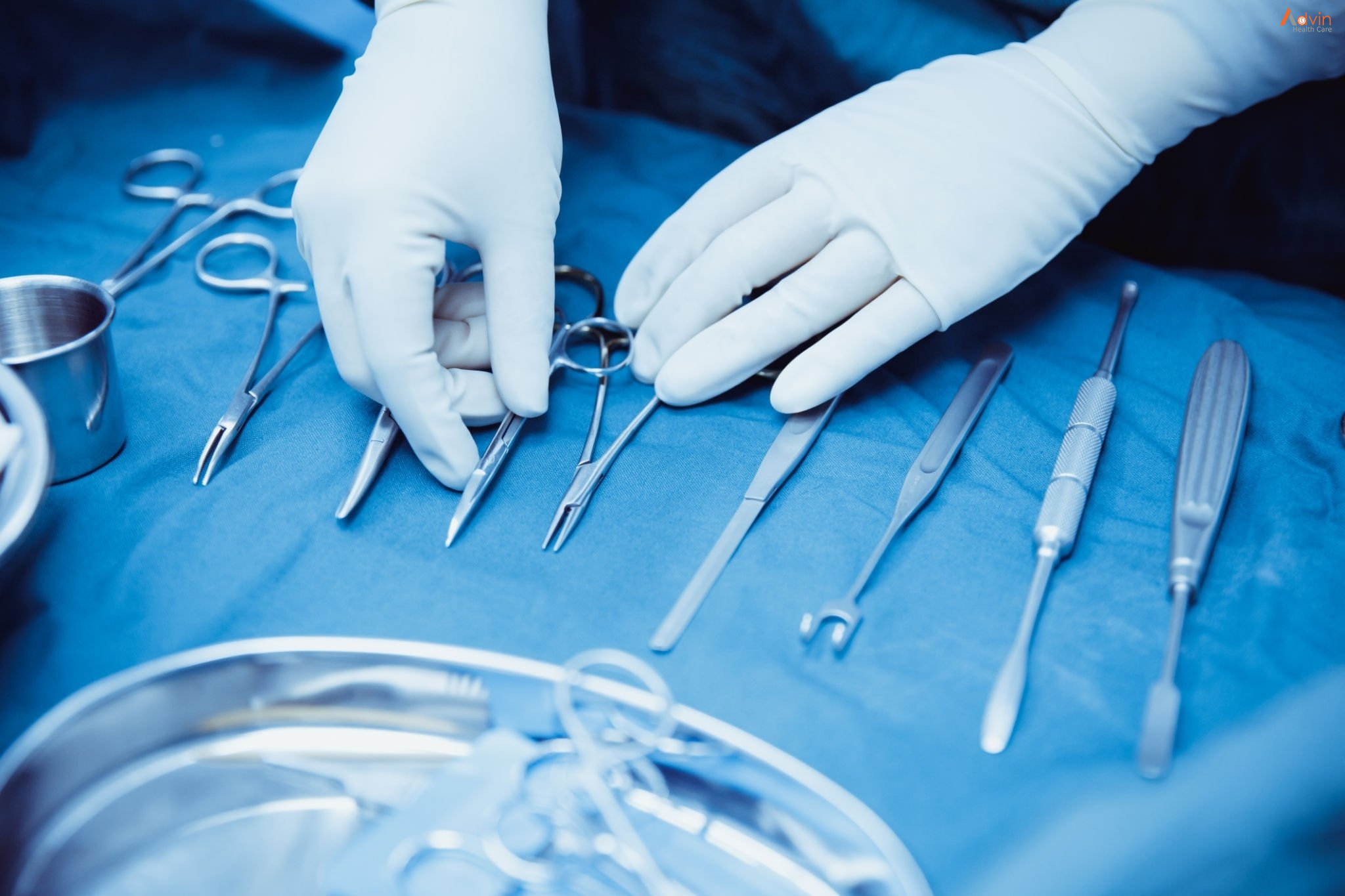
In the dynamic realm of healthcare, surgical equipment plays a pivotal role in ensuring the efficiency and effectiveness of medical procedures. The evolution of these tools has a profound impact on the quality of care provided to patients. With advancements in technology and the increasing complexity of surgical procedures, the demand for high-quality, reliable, and innovative surgery equipments continues to rise. This article delves into the significance of surgical equipment in streamlining healthcare operations and how it contributes to improved patient outcomes.
The Importance of Surgical Equipment in Healthcare
Surgical equipment is the backbone of any successful surgical operation. These tools are designed to aid in the precision, safety, and efficiency of various procedures. They significantly impact the following areas:
- Precision and Accuracy: High-quality medical surgical equipment ensures that surgeons can perform with exactness, reducing the risk of error and enhancing patient safety.
- Time Efficiency: Modern surgical tools are designed to streamline processes, allowing for quicker procedures and reducing the duration of patient exposure to anesthesia.
- Patient Safety: Advanced surgical equipment minimizes the risk of infection and other complications, contributing to better recovery rates and outcomes.
Technological Advances in Surgical Equipment
The healthcare industry continuously benefits from advancements in surgical equipment technology. These innovations not only enhance the capabilities of healthcare providers but also improve the overall patient experience.
Robotics and Automation
Robotics and automation are revolutionizing the field of surgery. These technologies allow for minimally invasive procedures, reduced recovery times, and enhanced precision. Automated systems are increasingly being integrated into surgical suites, improving the coordination and execution of complex operations.
Enhanced Imaging and Visualization
Modern surgical equipment suppliers offer tools that provide superior imaging and visualization capabilities. These advancements enable surgeons to have a clearer view of the operative field, facilitating more accurate diagnoses and interventions.
The Role of Surgical Equipment Distributors and Suppliers
Surgical equipment distributors and suppliers play an essential role in the healthcare supply chain. Their responsibilities include:
- Providing High-Quality Products: They ensure that healthcare facilities have access to the latest and most reliable equipment.
- Ensuring Compliance with Standards: Suppliers and distributors are responsible for ensuring that all equipment meets stringent regulatory and quality standards.
- Offering Technical Support: Many surgical equipment distributors provide ongoing technical support and training to healthcare professionals, ensuring optimal use of the equipment.
Conclusion
The role of surgical equipment in healthcare cannot be overstated. As technology continues to advance, the landscape of medical procedures will evolve, necessitating the continuous adaptation and innovation of surgical tools. Reliable surgical equipment is integral to the success of medical procedures, contributing to improved patient outcomes and enhanced operational efficiency within healthcare facilities.
About the Author