Water damage is a challenging issue that can cause significant distress and financial strain if not addressed promptly and effectively. In Riverview, where weather conditions can sometimes lead to unexpected water damage, quick restoration and repair are crucial. This article delves into the essential steps and strategies for efficient water damage restoration in the Riverview area, ensuring property safety and longevity.
Understanding Water Damage
Water damage can occur due to various reasons such as heavy rainfall, burst pipes, or leaks. Understanding the different types of water damage is crucial for effective restoration:
- Clean Water Damage: Typically from rain or leaky pipes, posing no significant health risks.
- Grey Water Damage: Often from appliances like dishwashers, containing contaminants that may cause illness.
- Black Water Damage: Highly contaminated water from sewage or flooding, posing severe health risks.
Each type requires a specific approach to restoration. Explore advanced guides and tips on handling different water damage scenarios.
Steps in Water Damage Restoration
Effective water damage restoration involves several key steps, each crucial for minimizing damage and ensuring thorough repair:
1. Initial Assessment
The first step is a comprehensive assessment of the damage. This involves identifying the source of the water, the extent of the damage, and the category of water involved. Proper assessment enables the formulation of an effective restoration plan. Find out more about this approach to ensure precise evaluation.
2. Water Extraction
Quick extraction of standing water is imperative to prevent further damage. Specialized equipment like pumps and vacuums are used to remove water efficiently. The faster the water is removed, the less the potential for mold and structural damage. Discover expert strategies here for effective water extraction techniques.
3. Drying and Dehumidification
After water extraction, drying and dehumidification are essential to remove moisture from affected materials. Industrial-grade dehumidifiers and air movers are used to dry walls, carpets, and furniture thoroughly. This step is critical to prevent mold growth and further deterioration.
4. Cleaning and Sanitizing
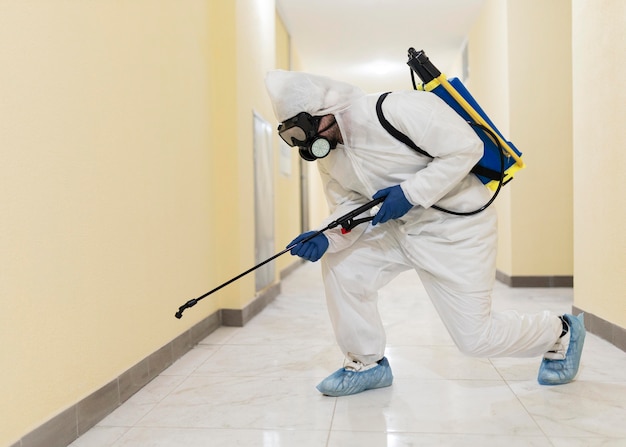
Post-drying, cleaning and sanitizing the affected areas are crucial. This process involves using specialized cleaning agents to remove contaminants and ensure a safe environment. It is particularly important for grey and black water damage scenarios. Learn about our tailored solutions for effective sanitization methods.
5. Restoration and Repair
The final step is restoring the property to its pre-damage condition. This may involve minor repairs or extensive reconstruction, depending on the severity of the damage. Engaging professionals with expertise in water damage restoration ensures the highest quality of repair and restoration.
Preventive Measures and Tips
Preventing water damage is as important as restoration. Implementing preventive measures can safeguard your property from potential water disasters:
- Regularly inspect and maintain plumbing systems to prevent leaks and bursts.
- Install sump pumps in basements to manage excess water during heavy rainfall.
- Seal cracks in walls and foundations to prevent water seepage.
- Ensure proper drainage around the property to direct water away from the foundation.
For comprehensive prevention strategies, explore advanced guides and tips on effective property protection.
In conclusion, water damage restoration in Riverview requires prompt action and professional expertise to minimize damage and restore property safety. Understanding the types of water damage, following a structured restoration process, and implementing preventive measures can significantly mitigate risks. For those seeking detailed insights and assistance, discover expert strategies here to tackle water damage challenges effectively.
About the Author