Maintaining a flea-free home is crucial for the health and comfort of both your family and pets. Fleas are more than just a nuisance; they can pose significant health risks, transmitting diseases and causing allergic reactions. Effective flea control requires a comprehensive approach, combining preventive measures, regular cleaning, and sometimes professional intervention. With the right strategies, you can create a safe and comfortable environment, free from these pesky pests.
Understanding the Flea Life Cycle
To effectively tackle a flea infestation, it’s essential to understand the flea life cycle. Fleas undergo four stages: egg, larva, pupa, and adult. Each stage requires different treatment methods to ensure complete eradication:
- Eggs: Flea eggs are laid on pets but often fall into carpets and bedding.
- Larvae: These feed on organic matter in carpets and cracks.
- Pupa: Pupae can stay dormant for months, making them hard to eradicate.
- Adult: These fleas live on pets, feeding on their blood and laying eggs.
Understanding these stages can help develop a targeted treatment plan. Discover expert strategies here.
Home Cleaning and Maintenance
Regular cleaning is a cornerstone of effective flea control. Implement these practices to reduce flea populations:
- Vacuum Frequently: Vacuum carpets, upholstery, and pet bedding regularly to remove eggs and larvae.
- Wash Bedding: Wash pet and human bedding in hot water weekly.
- Declutter: Minimize clutter to reduce hiding spots for fleas.
- Yard Maintenance: Keep the grass trimmed and remove debris to limit flea habitats outdoors.
For more detailed guidance, explore advanced guides and tips.
Using Flea Treatments
Topical and Oral Treatments for Pets
Protecting pets from fleas is crucial. There are various treatments available, including:
- Topical Treatments: Applied directly to the pet’s skin, these treatments kill fleas on contact.
- Oral Medications: These are ingested by the pet, killing fleas from the inside out.
Consult a veterinarian to determine the best option for your pet’s needs. Learn about our tailored solutions.
Environmental Treatments
In addition to treating your pets, it’s essential to treat your home environment:
- Insect Growth Regulators (IGRs): These prevent flea larvae from maturing into adults.
- Flea Sprays and Powders: Use these products on carpets and furniture to kill fleas at all life stages.
- Diatomaceous Earth: A natural option that dehydrates and kills fleas upon contact.
For a comprehensive approach, find out more about this approach.
When to Seek Professional Help
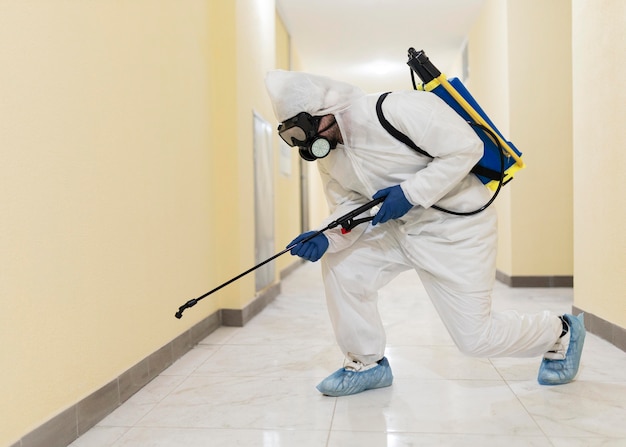
Persistent flea infestations may require professional pest control services. Professional exterminators can provide:
- Advanced Treatments: More potent solutions that are unavailable to the general public.
- Comprehensive Inspections: Identifying and addressing the root cause of infestations.
- Customized Plans: Tailored solutions based on the specifics of your situation.
To explore professional options, explore advanced guides and tips. Additionally, check out customer reviews here to see what others are saying about us.
Preventive Measures
Preventing fleas from returning is just as important as getting rid of them. Consider these preventive measures:
- Regular Pet Grooming: Bathe and brush pets frequently to reduce the risk of fleas.
- Routine Vet Visits: Ensure pets are on regular flea prevention treatments.
- Home Maintenance: Regularly inspect your home and yard for signs of fleas.
Implementing these strategies will help maintain a flea-free environment long-term.
About the Author