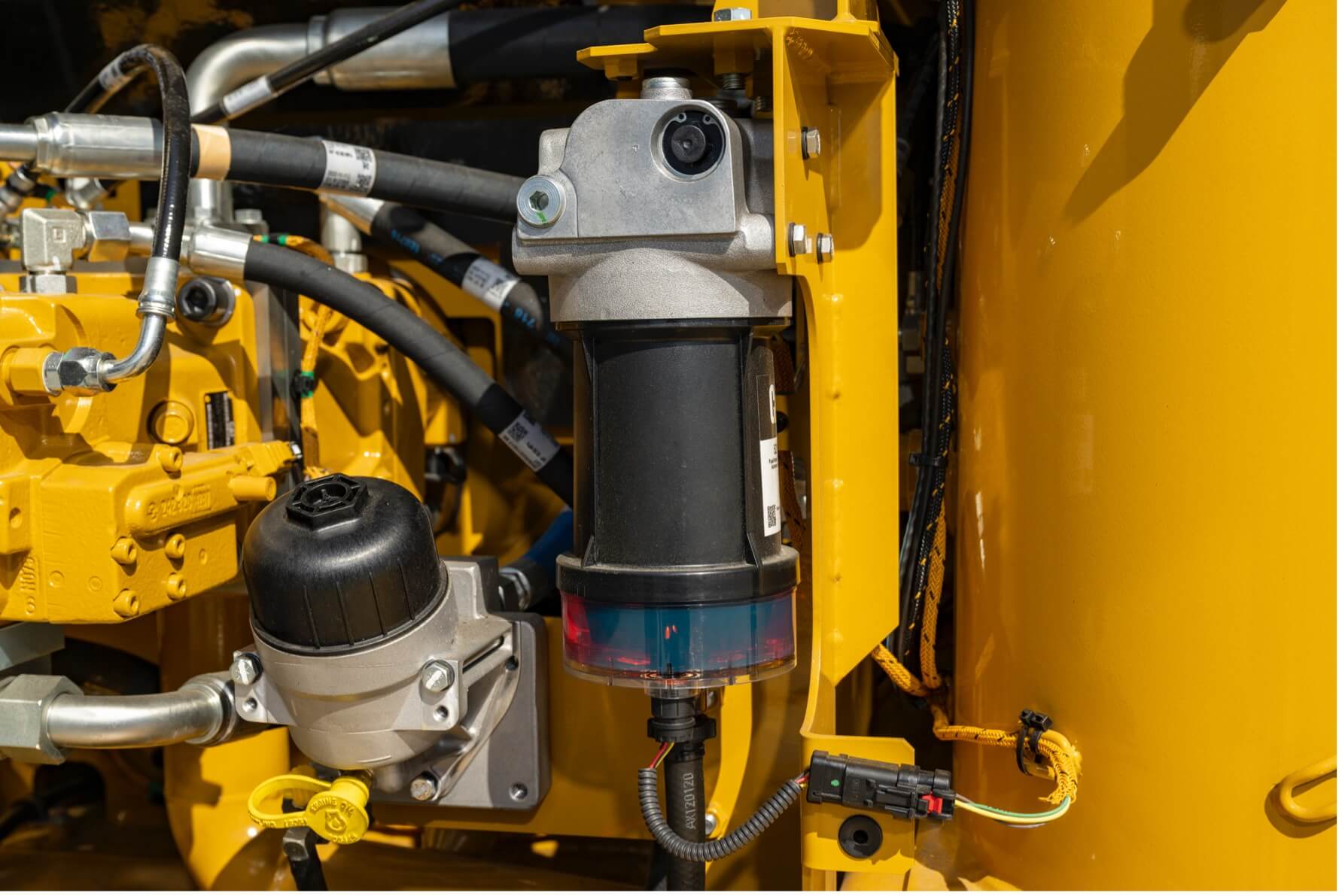
In industries where lifting heavy loads is a routine task, the significance of a reliable hydraulic lift cylinder cannot be overstated. These components are pivotal in ensuring the efficiency and safety of operations across various sectors, from construction to manufacturing. Selecting the appropriate hydraulic lift cylinder requires a thorough understanding of its components, functions, and the specific needs of the application. This article aims to guide you through the critical considerations in choosing the right hydraulic lift cylinder for your needs.
Understanding Hydraulic Lift Cylinders
A hydraulic lift cylinder is an integral part of hydraulic equipment that converts the energy from hydraulic fluid into linear movement. This movement allows for the lifting, lowering, and positioning of loads with precision and control. The efficiency of a hydraulic system heavily relies on the performance of its lift cylinders, making it essential to choose the right type for the task at hand.
Types of Hydraulic Lift Cylinders
- Single-Acting Cylinders: These cylinders operate in one direction only, using hydraulic fluid to extend the piston and a spring or other external force to retract it.
- Double-Acting Cylinders: These are capable of exerting force in both extending and retracting motions, using hydraulic fluid for both actions. They are more versatile and suitable for applications requiring controlled movements in both directions.
- Telescoping Cylinders: With multiple stages or sleeves, these cylinders can extend further than single and double-acting cylinders, making them ideal for applications where space is limited.
Key Considerations in Selecting a Hydraulic Lift Cylinder
When selecting a hydraulic lift cylinder, it is crucial to evaluate several factors to ensure optimal performance and longevity.
Load Requirements
The load that the cylinder needs to lift is the primary factor to consider. Ensure that the cylinder’s capacity exceeds the maximum load it will handle to maintain safety margins and prevent overloading.
Stroke Length
The stroke length determines how far the cylinder’s piston can travel. It should be sufficient to achieve the desired movement of the load without reaching its mechanical limits, which could cause wear and damage.
Mounting and Space Constraints
Understand the available space and mounting options for the cylinder. Certain applications might require compact cylinders, while others may have specific mounting requirements that influence the choice of cylinder type.
Operating Environment
Consider environmental factors such as temperature, exposure to elements, or corrosive materials. These can affect the material choice and design of the hydraulic lift components used within the cylinder.
Materials and Construction
The construction materials of a hydraulic lift cylinder significantly impact its durability and performance. Common materials include steel, aluminum, and composite materials, each offering varying levels of strength, weight, and corrosion resistance.
- Steel: Known for its strength and durability, steel is ideal for heavy-duty applications.
- Aluminum: Lighter than steel, aluminum is suitable for applications where weight is a critical factor.
- Composite Materials: These offer corrosion resistance and are best for environments exposed to harsh conditions.
Maintenance and Reliability
Regular maintenance is pivotal in ensuring the longevity of lift hydraulics. Opt for cylinders that facilitate easy maintenance, with accessible parts and straightforward procedures to minimize downtime and enhance reliability.
Conclusion
Choosing the right hydraulic lift cylinder is an investment in efficiency, safety, and performance. By considering factors such as load capacity, stroke length, mounting requirements, and environmental conditions, one can select a cylinder that meets the specific demands of their application. A well-chosen hydraulic lift cylinder will ensure smooth operations and extend the lifespan of the hydraulic system it supports.
About the Author

