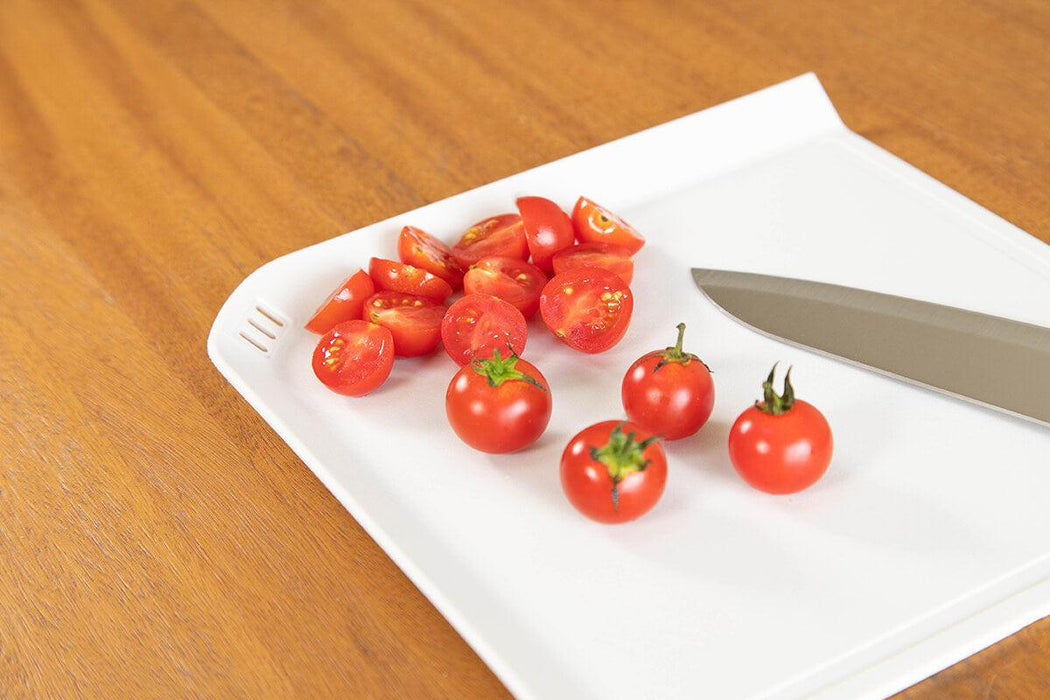
In the dynamic world of culinary arts, the tools and materials used in the kitchen play a pivotal role in ensuring both efficiency and hygiene. One such essential tool is the cutting board. Among the various types available, synthetic rubber cutting boards have gained popularity due to their unique attributes. These boards are celebrated for their durability, non-porous nature, and resistance to bacteria. They have become a preferred choice for home cooks and professional chefs alike. This article delves into the key factors to consider when choosing the best synthetic rubber cutting board for your kitchen.
Why Choose Synthetic Rubber Cutting Boards?
Synthetic rubber cutting boards offer several advantages that make them stand out from traditional wooden or plastic boards. Here’s why they are a top choice for kitchens:
- Durability: These boards are designed to withstand heavy use without warping or cracking.
- Non-Porous Surface: The non-porous nature prevents bacteria from penetrating the surface, thus maintaining hygiene.
- Gentle on Knives: Unlike harder surfaces, synthetic rubber is gentle on knives, helping to maintain their sharpness.
- Easy Maintenance: These boards are often dishwasher safe, making them easy to clean and maintain.
For further insights into the advantages of synthetic rubber cutting boards, learn about our tailored solutions.
Factors to Consider When Selecting a Synthetic Rubber Cutting Board
When selecting a synthetic rubber cutting board, consider the following factors to ensure you choose the best fit for your needs:
Size and Thickness
The size and thickness of the cutting board should align with its intended use. A larger board provides ample space for chopping and dicing, while a thicker board offers added stability. However, the thickness should not compromise the board’s weight, making it cumbersome to handle.
Surface Texture
The texture of the board’s surface can affect its non-slip capabilities and its interaction with knives. A slightly textured surface is ideal as it provides a stable cutting platform while being gentle on knife edges.
For more on choosing the right texture, discover expert strategies here.
Edge Design
Some synthetic rubber cutting boards come with grooved edges to catch juices from fruits or meats. This feature can prevent spills and reduce clean-up time.
Care and Maintenance Tips
Maintaining the pristine condition of your synthetic rubber cutting board involves a few simple steps:
- Regular Cleaning: Wash the board with warm soapy water after each use. If dishwasher safe, place it on the top rack for thorough cleaning.
- Stain Removal: For stubborn stains, a mixture of baking soda and water can be used as a gentle abrasive to scrub the surface.
- Storage: Store upright in a dry area to prevent moisture accumulation.
To explore more advanced guides and tips on maintaining cutting boards, explore advanced guides and tips.
Conclusion
Choosing the best synthetic rubber cutting board involves thoughtful consideration of factors such as size, texture, and maintenance. These boards offer a blend of durability and hygiene, making them an invaluable addition to any kitchen. By considering the insights shared in this article, individuals can make informed decisions that enhance their culinary experience. Find out more about this approach to equip your kitchen with the best tools available.
About the Author