Mold damage is a pervasive issue that can affect the structural integrity of buildings and pose significant health risks to occupants. When left unchecked, mold can proliferate rapidly, especially in environments conducive to its growth, such as areas with high humidity and poor ventilation. Addressing mold damage requires a comprehensive approach that not only removes existing mold but also prevents future infestations. Hiring certified specialists for mold remediation can ensure that the problem is handled with expertise and precision, safeguarding both the property and its inhabitants.
The Importance of Hiring Certified Specialists
Certified specialists bring a wealth of knowledge and experience to mold remediation projects. Their expertise is crucial in ensuring the thorough and effective removal of mold, which is essential to preventing recurrence. Here are some reasons why hiring certified professionals is vital:
- Certified specialists are trained in the latest mold remediation techniques and technologies, ensuring that they utilize the most effective methods for each unique situation. Explore advanced guides and tips.
- They can accurately assess the extent of mold damage and identify hidden mold that may not be immediately visible.
- Professional remediation prevents further spread of mold spores during the removal process, protecting unaffected areas of the property.
- Specialists adhere to industry standards and regulations, providing peace of mind that the job is handled correctly.
- Their involvement reduces the risk of incomplete remediation, which could lead to future mold outbreaks.
Steps in Professional Mold Remediation
Inspection and Assessment
The first step in mold remediation is a thorough inspection and assessment of the property. Certified specialists use advanced tools and techniques to detect mold presence and assess the extent of the damage. This step is crucial for devising a tailored remediation plan. Learn about our tailored solutions.
Containment and Removal
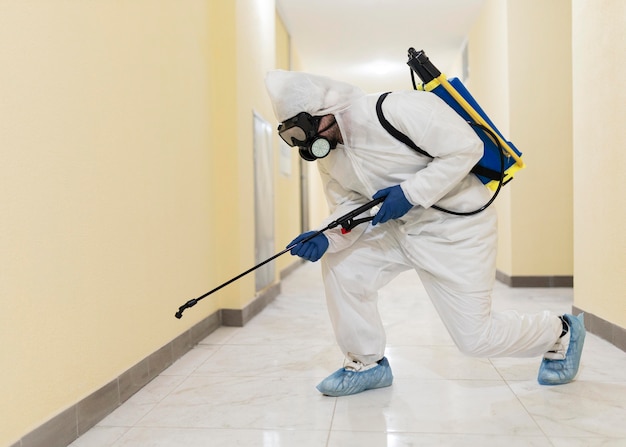
Once the assessment is complete, specialists implement containment strategies to prevent mold spores from spreading to other parts of the property. This often involves the use of physical barriers and negative air pressure. The removal process then begins, wherein mold is carefully and thoroughly eliminated using specialized equipment and cleaning agents.
Cleaning and Sanitizing
After mold removal, the affected areas are cleaned and sanitized to ensure that no mold residues remain. This process also involves cleaning the property”?s contents and improving air quality to remove any lingering spores. Discover expert strategies here.
Restoration
The final stage involves restoring the property to its pre-damage condition. This may include repairs to walls, flooring, and other structures affected by mold. Restoration ensures not only the aesthetic appeal of the property but also its safety and functionality.
Preventing Future Mold Outbreaks
Prevention is key to avoiding future mold issues. Certified specialists provide valuable advice and strategies to help maintain a mold-free environment. Here are some prevention tips:
- Ensure proper ventilation in all areas of the property, especially in high-moisture zones like bathrooms and kitchens.
- Invest in dehumidifiers to maintain optimal humidity levels.
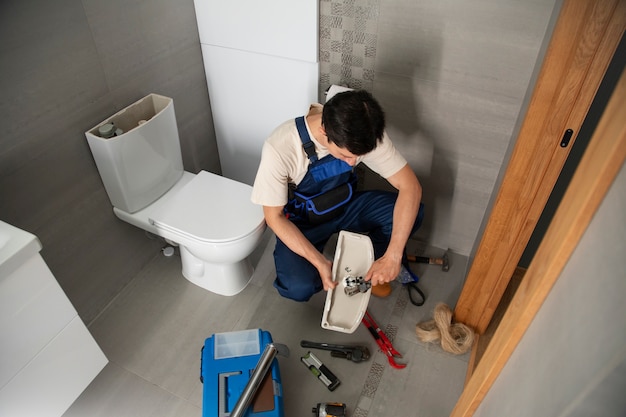
- Regularly inspect plumbing systems to prevent leaks and water accumulation.
- Use mold-resistant products during renovations or new constructions.
- Conduct periodic mold inspections to catch potential problems early. Find out more about this approach.
In conclusion, mold damage poses significant challenges, but with the expertise of certified specialists, it can be effectively managed and prevented. Their comprehensive approach ensures that mold is not only removed but also kept at bay through strategic prevention measures. By investing in professional mold remediation, property owners can protect their investments and ensure a safe, healthy living environment.
About the Author