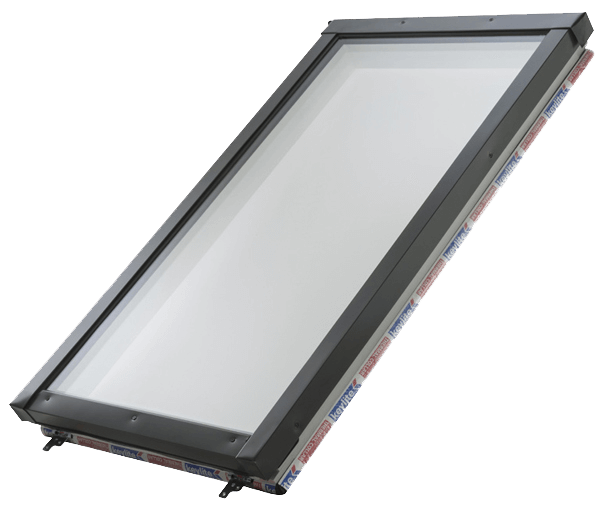
In the bustling and vibrant city of Sydney, where architecture intertwines with natural beauty, the incorporation of skylights has become an essential element in modern design. Skylights not only illuminate interiors with natural light but also enhance the aesthetic appeal of any space. They are a testament to sustainability and energy efficiency, allowing residents and businesses to reduce their reliance on artificial lighting while maximizing the aesthetic and functional potential of their rooms.
The Benefits of Skylights in Urban Settings
Skylights offer a myriad of benefits, particularly in urban settings like Sydney. They are more than just an architectural feature; they are a gateway to the sky, bringing a piece of the outdoors inside.
- Enhanced Natural Light: Skylights flood spaces with natural daylight, reducing the need for artificial lighting.
- Energy Efficiency: By harnessing the sun’s rays, skylights help lower electricity bills and contribute to a greener environment.
- Improved Ventilation: Certain types of skylights can be opened to allow fresh air to circulate, improving indoor air quality.
- Aesthetic Appeal: Skylights add an element of luxury and sophistication to any interior design.
Types of Skylights Suitable for Sydney Homes
When considering the installation of skylights, understanding the various types available can greatly influence the decision-making process. Each type has unique characteristics suited to different needs and architectural styles.
Fixed Skylights
Ideal for areas where ventilation is not a priority, fixed skylights provide an unobstructed view of the sky and maximize the amount of light entering a room. These are particularly beneficial in spaces like stairwells and hallways.
Ventilated Skylights
For those looking to enhance both light and air flow, ventilated skylights are an excellent option. They are perfect for kitchens and bathrooms where moisture and odors can be a concern. Discover expert strategies here to choose the right type for your home.
Installation Considerations
The installation of skylights requires careful planning and expertise. The positioning of the skylight is crucial in optimizing light and energy efficiency.
- Orientation: The direction a skylight faces can influence the amount of light and heat it introduces. North-facing skylights provide consistent lighting, while east or west-facing options might offer softer, more diffused light.
- Size and Shape: The dimensions of a skylight should be proportional to the room size. Larger skylights are suitable for expansive spaces, whereas smaller ones are preferable for more intimate settings.
- Professional Installation: It’s essential to engage experienced professionals to ensure proper sealing and insulation, preventing potential leaks and energy loss.
Enhancing Skylight Performance with Accessories
To further enhance the functionality and comfort of skylights, a range of accessories can be integrated.
- Blinds: Incorporating blinds can help manage the amount of light and heat entering a room, providing greater control over the indoor environment. Learn about our tailored solutions for integrating blinds with skylights.
- Smart Controls: Automating skylights with smart technology allows for easy operation, enabling users to adjust settings remotely.
- Glazing Options: Different glazing options, such as tinted or low-emissivity glass, can enhance energy efficiency and privacy.
Conclusion
Skylights have transcended traditional boundaries to become a staple in modern architecture, particularly in urban environments like Sydney. By embracing natural light, skylights not only reduce energy consumption but also create healthier and more inviting living spaces. Whether opting for fixed or ventilated designs, it is crucial to consider factors such as orientation, size, and professional installation. For those looking to maximize the benefits of their skylights, accessories like blinds and smart controls offer additional functionality and comfort. Explore advanced guides and tips for optimizing skylight installations and enhancing indoor environments with natural light.
About the Author

