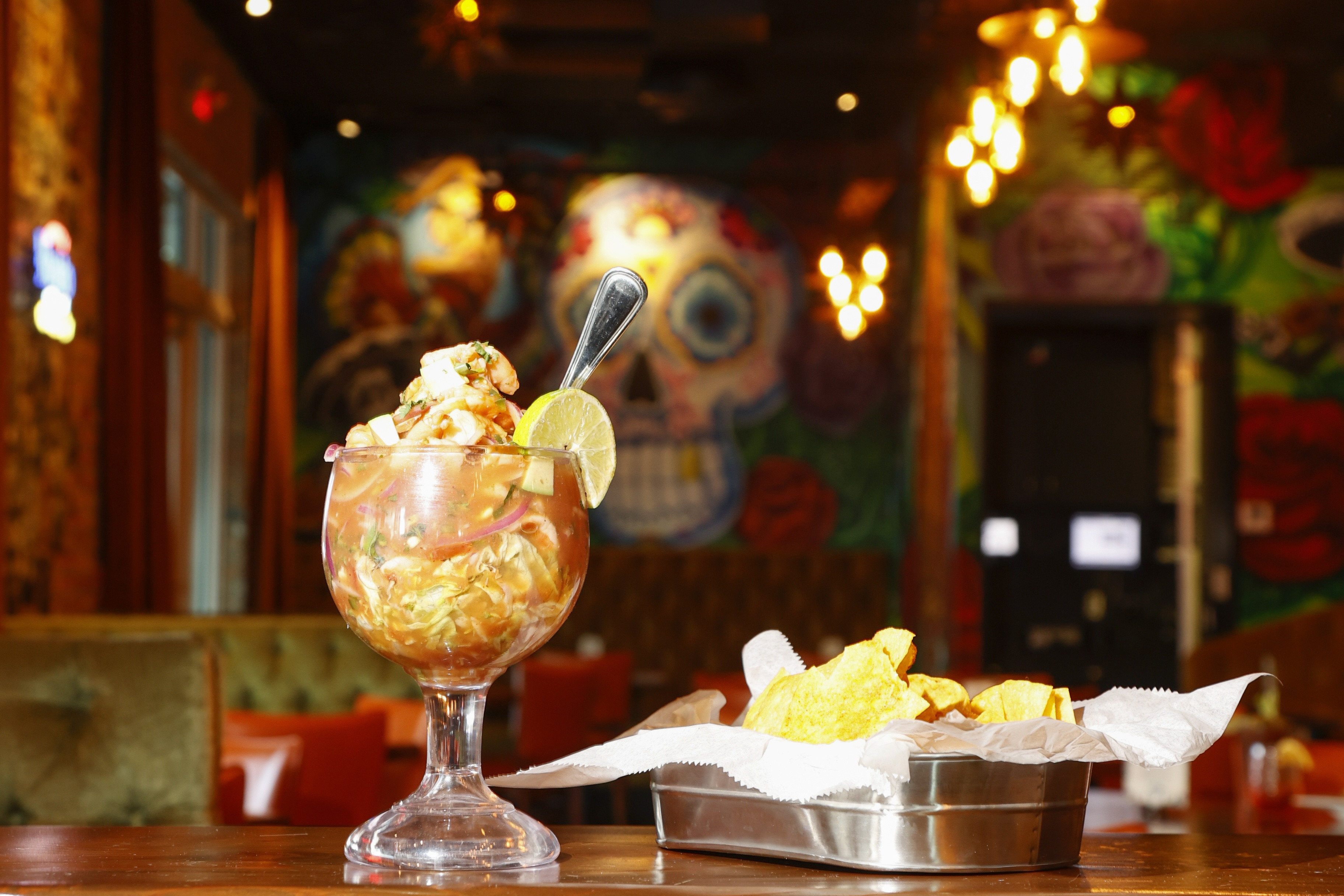
The Mexican food scene continues to evolve, blending time-honored techniques with contemporary influences. From street-side stalls to upscale eateries, diners are experiencing richer flavor profiles, sustainable sourcing, and inventive presentations that honor tradition while pushing boundaries. Understanding these shifts helps culinary professionals stay relevant and offers food lovers fresh reasons to explore the vibrant world of Mexican cuisine.
Emerging Flavor Profiles
Modern Mexican kitchens are experimenting beyond classic chilies and corn. Chefs are incorporating ingredients such as hibiscus, smoked paprika, and exotic fruits to create layered tastes that surprise the palate.
Key trends in flavor development
- Fusion of regional spices: Combining Oaxacan mole with Yucatan achiote yields a smoky-sweet balance.
- Fruit-infused salsas: Mango-lime, pineapple-chipotle, and passion-fruit variations add acidity and brightness.
- Umami boosters: Ingredients like dried shrimp powder, fermented black beans, and miso are being used to deepen broth complexity.
Sustainable Sourcing and Local Partnerships
Sustainability is no longer a buzzword; it's a core operational principle. Restaurants are forming direct relationships with small-scale farms, prioritizing heirloom corn varieties, and adopting waste-reduction practices.
- Partnering with local corn growers ensures authentic masa while supporting biodiversity.
- Utilizing nose-to-tail cooking minimizes waste and highlights lesser-known cuts of meat.
- Composting organic waste reduces landfill contributions and can be turned into nutrient-rich soil for nearby farms.
Innovative Presentation Techniques
Visual storytelling enhances the dining experience. Chefs are turning plates into canvases, using edible flowers, handcrafted tortillas, and interactive elements that invite guests to engage with their food.
Examples of modern plating
- Deconstructed tacos: Components are served separately, allowing diners to assemble bites according to personal preference.
- Smoke-infused domes: A glass dome filled with aromatic smoke is lifted at the table, releasing a burst of flavor.
- Edible garnish art: Hand-painted corn tortillas and micro-herb dust create a vibrant, Instagram-ready finish.
Technology Integration in the Kitchen
From inventory management software to precision cooking tools, technology streamlines operations and improves consistency. Digital ordering platforms also enable chefs to gather real-time feedback, refining menus on the fly.
- Smart ovens maintain exact temperature curves for perfect tortilla baking.
- AI-driven analytics predict ingredient demand, reducing over-stock and spoilage.
- QR-code menus provide allergen information instantly, enhancing guest safety.
Case Study: Modern Mexican Dining Experience
A notable example of these trends in action can be observed at Tulio's Tacos and Tequila Bar. The establishment blends traditional street-food concepts with upscale design, offering a menu that showcases regional diversity while emphasizing locally sourced ingredients. Guests can enjoy a tasting flight of handcrafted tacos, each paired with a curated tequila selection, all presented on reclaimed wood boards that echo the restaurant's commitment to sustainability.
Another visit to Tulio's Tacos and Tequila Bar reveals the impact of technology: a tablet-based ordering system that captures guest preferences, allowing the kitchen to adjust spice levels and garnish choices in real time. This data-driven approach not only enhances guest satisfaction but also informs future menu development.
Future Outlook
Looking ahead, Mexican cuisine is poised to continue its trajectory of innovation. Anticipated developments include:
- Increased use of plant-based proteins, offering vegan alternatives to classic dishes like carne asada.
- Expansion of regional micro-cuisine pop-ups, bringing hyper-local flavors to broader audiences.
- Greater emphasis on experiential dining, where storytelling and interactive elements become central to the menu.
By embracing these trends, whether through bold flavor experimentation, sustainable sourcing, or tech-enabled service, culinary professionals can honor Mexico's rich gastronomic heritage while delivering fresh, memorable experiences to diners worldwide.
About the Author