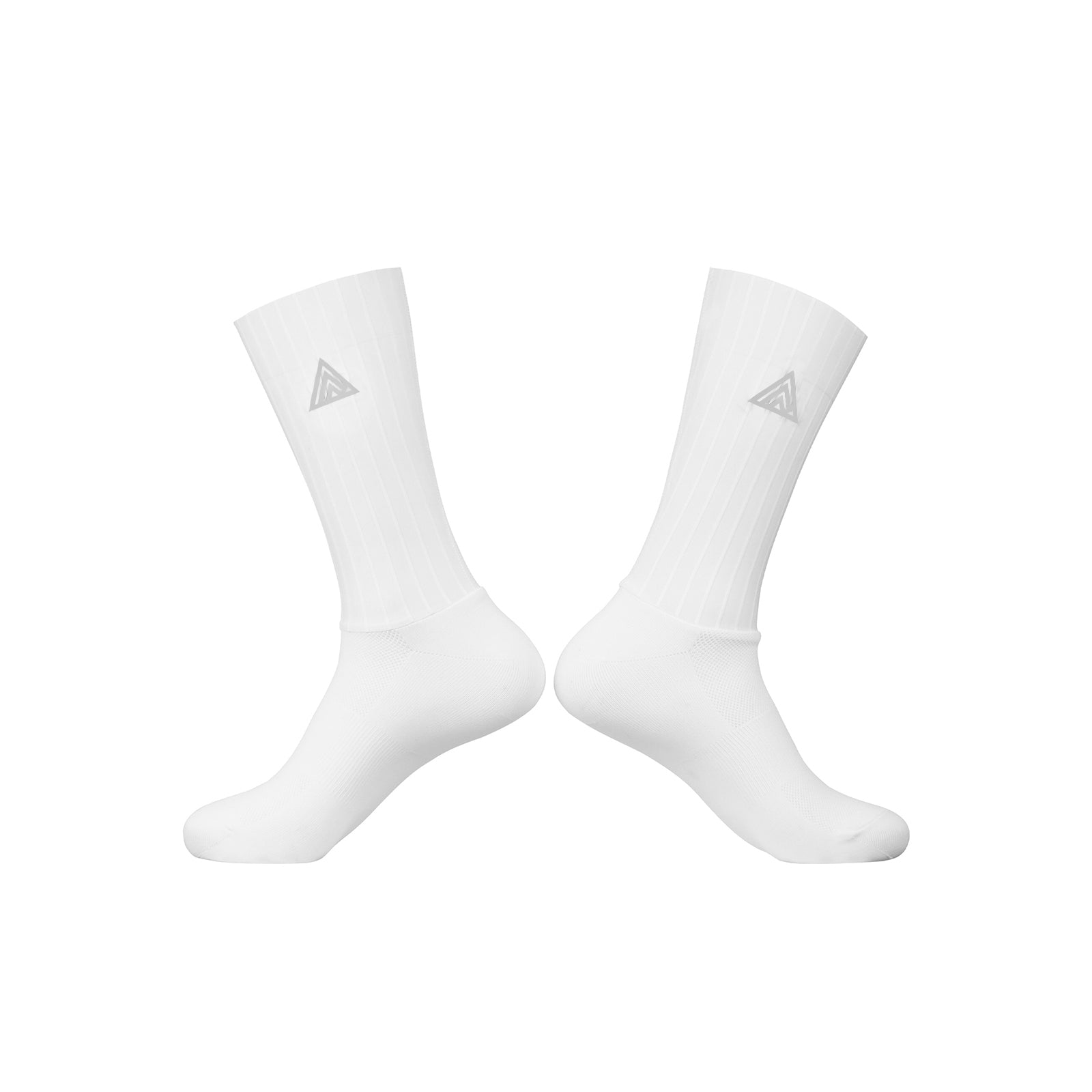
Choosing the right footwear for demanding environments can feel like navigating a maze of options, especially when the decision hinges on performance, comfort, and durability. Aero overshoes have emerged as a specialized solution for professionals who spend long hours on their feet, while traditional standard shoes remain a staple for everyday use. Understanding the functional differences, material technology, and situational benefits of each type is essential for making an informed choice that supports both productivity and foot health.
Understanding Aero Overshoes
Aero overshoes are engineered to act as a protective layer over regular shoes, enhancing grip, waterproofing, and thermal regulation. They are popular in industries such as hospitality, healthcare, and manufacturing where slip resistance and quick-drying properties are critical.
Key Features
- Slip-Resistant Soles: Advanced tread patterns provide superior traction on wet or oily surfaces.
- Waterproof Membrane: Integrated barriers keep feet dry, reducing the risk of blisters and fungal infections.
- Lightweight Construction: Despite added protection, the design remains breathable and low-profile.
- Easy Maintenance: Materials are often machine-washable, extending the lifespan of both the overshoe and the underlying shoe.
For a deeper dive into the technology behind these products, Discover expert strategies here.
Standard Shoes: The Traditional Choice
Standard shoes encompass a broad category that includes everything from casual sneakers to formal dress shoes. Their design focuses on everyday comfort, style, and general support rather than specialized performance attributes.
Typical Advantages
- Versatility: Suitable for a wide range of activities and dress codes.
- Design Variety: A plethora of materials, colors, and constructions to match personal style.
- Cost Efficiency: Generally more affordable than specialized overshoe systems.
- Established Comfort Technologies: Features like memory foam insoles and arch support are common.
When evaluating whether standard shoes meet specific workplace demands, Learn about our tailored solutions for integrating additional protection without sacrificing style.
Comparative Analysis: When to Choose Which
Both footwear options have distinct strengths. The decision often rests on the environment, duration of wear, and specific foot health concerns.
Performance Factors
- Slip Risk: Aero overshoes excel in high-moisture or oily settings; standard shoes may require separate slip-resistant inserts.
- Temperature Control: Overshoes with insulated liners keep feet warm in cold warehouses, whereas standard shoes may become uncomfortable in extreme temperatures.
- Hygiene: Waterproof overshoes limit exposure to contaminants, an essential factor in medical or food-service sectors.
- Mobility: For tasks demanding rapid movement, the lighter profile of standard shoes can offer a marginal speed advantage.
To explore specific scenarios and best-practice recommendations, Explore advanced guides and tips.
Cost Considerations
Initial investment and long-term maintenance differ between the two options.
- Upfront Expense: Aero overshoes typically cost more per unit due to specialized materials.
- Longevity: Because they protect the underlying shoe, overshoes can extend the life of the base footwear, potentially offsetting higher upfront costs.
- Replacement Frequency: Standard shoes may need replacement sooner if exposed to harsh conditions without protective overlays.
For a comprehensive cost-benefit breakdown, Find out more about this approach.
User Experience and Comfort
Comfort is a decisive factor for anyone who stands or walks for extended periods.
- Fit Compatibility: Overshoes are designed to accommodate most standard shoe sizes, but a snug fit is essential to avoid slippage.
- Breathability: Modern Aero designs incorporate ventilation channels, mitigating the heat buildup often associated with additional layers.
- Support Features: Many overshoes include built-in arch support, complementing the cushioning of the base shoe.
- Ease of Transition: Users can quickly switch between overshoes and regular shoes, allowing flexibility throughout the workday.
Making the Right Choice for Your Needs
The optimal footwear solution aligns with the specific demands of your daily tasks and personal comfort preferences. Consider the following checklist before deciding:
- Assess the work environment: Is the floor frequently wet, oily, or exposed to chemicals?
- Determine required compliance: Do industry safety standards mandate slip-resistant or waterproof footwear?
- Evaluate duration of wear: Longer shifts may benefit from the added protection of overshoes.
- Budget analysis: Weigh initial costs against potential savings from extended shoe lifespan.
- Test fit and feel: Whenever possible, trial both options to gauge comfort and mobility.
By systematically reviewing these factors, you can select the footwear that maximizes safety, efficiency, and comfort. For additional resources and product selections that align with these criteria, Discover expert strategies here and make an informed decision that supports long-term foot health.
About the Author