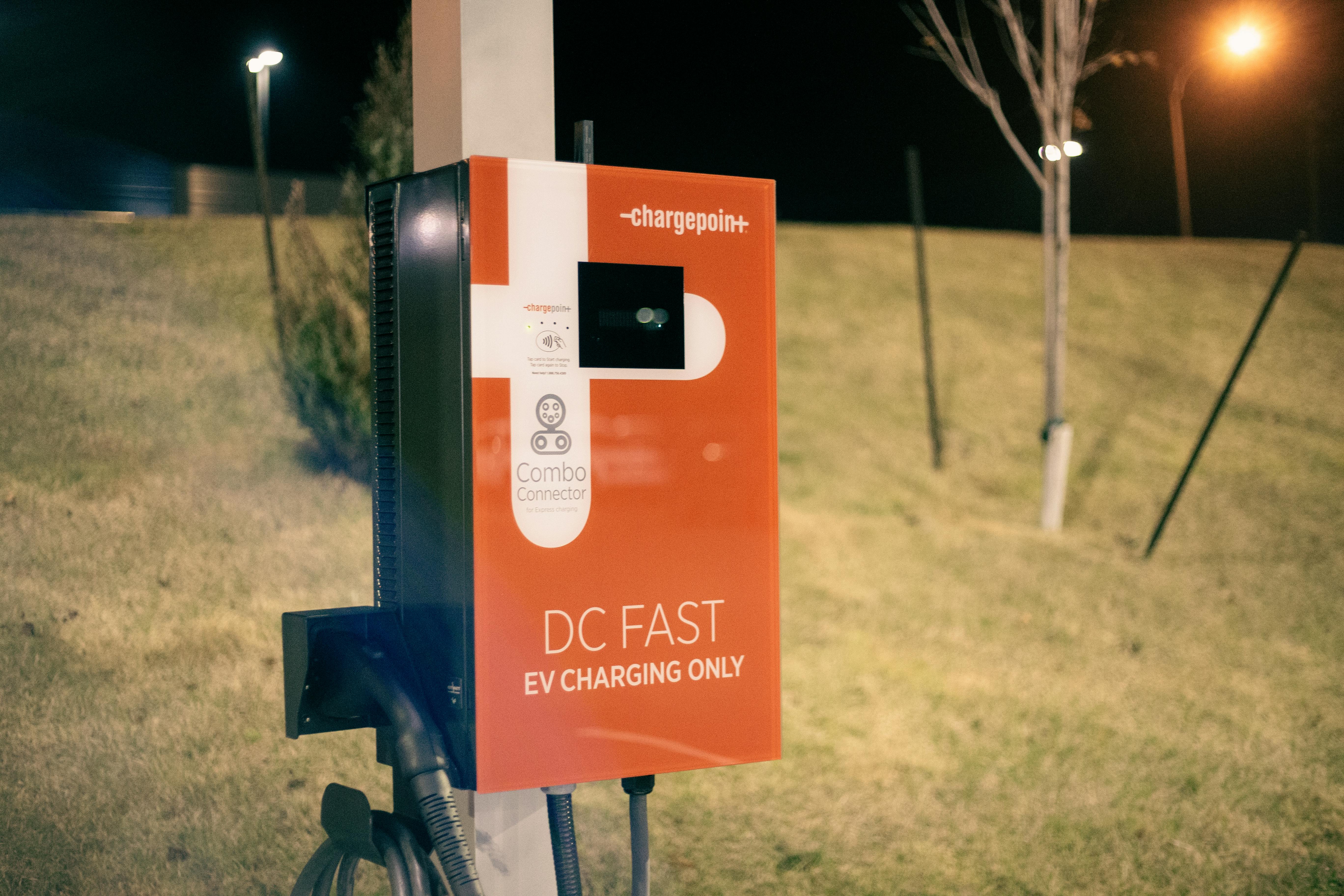
The global shift towards electric vehicles (EVs) has ignited a transformative wave across the automotive and energy sectors. As the adoption of EVs accelerates, so does the demand for efficient and accessible charging infrastructure. This burgeoning need has spurred a plethora of innovations, reshaping how we perceive and utilize electric mobility. With technological advancements and strategic collaborations, the landscape of EV charging is evolving rapidly, promising a future where recharging an electric vehicle is as convenient as refueling a traditional car.
Wireless Charging Technology
Wireless charging, also known as inductive charging, is one of the most significant advancements in EV infrastructure. This technology eliminates the need for physical connectors, allowing vehicles to charge simply by parking over a charging pad.
- Improved convenience as drivers do not need to handle cables.
- Enhanced safety by reducing exposure to adverse weather conditions during charging.
- Potential integration with autonomous vehicle technology.
Explore further insights here on how wireless charging technology is setting a new standard in EV infrastructure.
Ultra-Fast Charging Stations
The development of ultra-fast charging stations is a game-changer in reducing the downtime associated with charging EVs. These stations can deliver significant power in a matter of minutes, providing a quick and efficient solution for long-distance travelers.
- Charge times comparable to traditional fuel stops.
- Increased power output, often exceeding 150 kW.
- Strategically located along major highways and urban centers.
Read more about this topic in this detailed guide on ultra-fast charging technology.
Integration of Renewable Energy Sources
Incorporating renewable energy into EV charging infrastructure not only reduces the carbon footprint but also enhances the sustainability of electric mobility. Solar-powered charging stations and wind energy integration are at the forefront of this initiative.
- Reduces reliance on grid electricity.
- Minimizes environmental impact.
- Potential for off-grid solutions in remote areas.
Learn more about the integration of renewable energy in EV charging here.
Smart Charging Solutions
Smart charging technology is pivotal in optimizing energy usage and managing demand on the power grid. By employing algorithms and real-time data, smart chargers can schedule charging periods to coincide with off-peak electricity rates.
- Reduces energy costs for consumers.
- Balances load on the electrical grid.
- Provides data analytics for better energy management.
Find additional information here on how smart charging solutions are revolutionizing the industry.
Vehicle-to-Grid (V2G) Technology
Vehicle-to-Grid technology represents a paradigm shift in how electric vehicles interact with the power grid. This technology allows EVs to not only draw power but also return electricity back to the grid, acting as mobile energy storage units.
- Enhances grid stability and efficiency.
- Offers potential financial incentives for EV owners.
- Supports renewable energy integration by balancing supply and demand.
Explore further insights on V2G technology here.
In conclusion, the innovations in EV charging infrastructure are pivotal in supporting the widespread adoption of electric vehicles. As these technologies continue to evolve, they promise to deliver not only enhanced convenience and efficiency but also a more sustainable and integrated energy ecosystem. The future of EV charging is bright, driven by relentless innovation and a commitment to a cleaner, greener planet.
About the Author