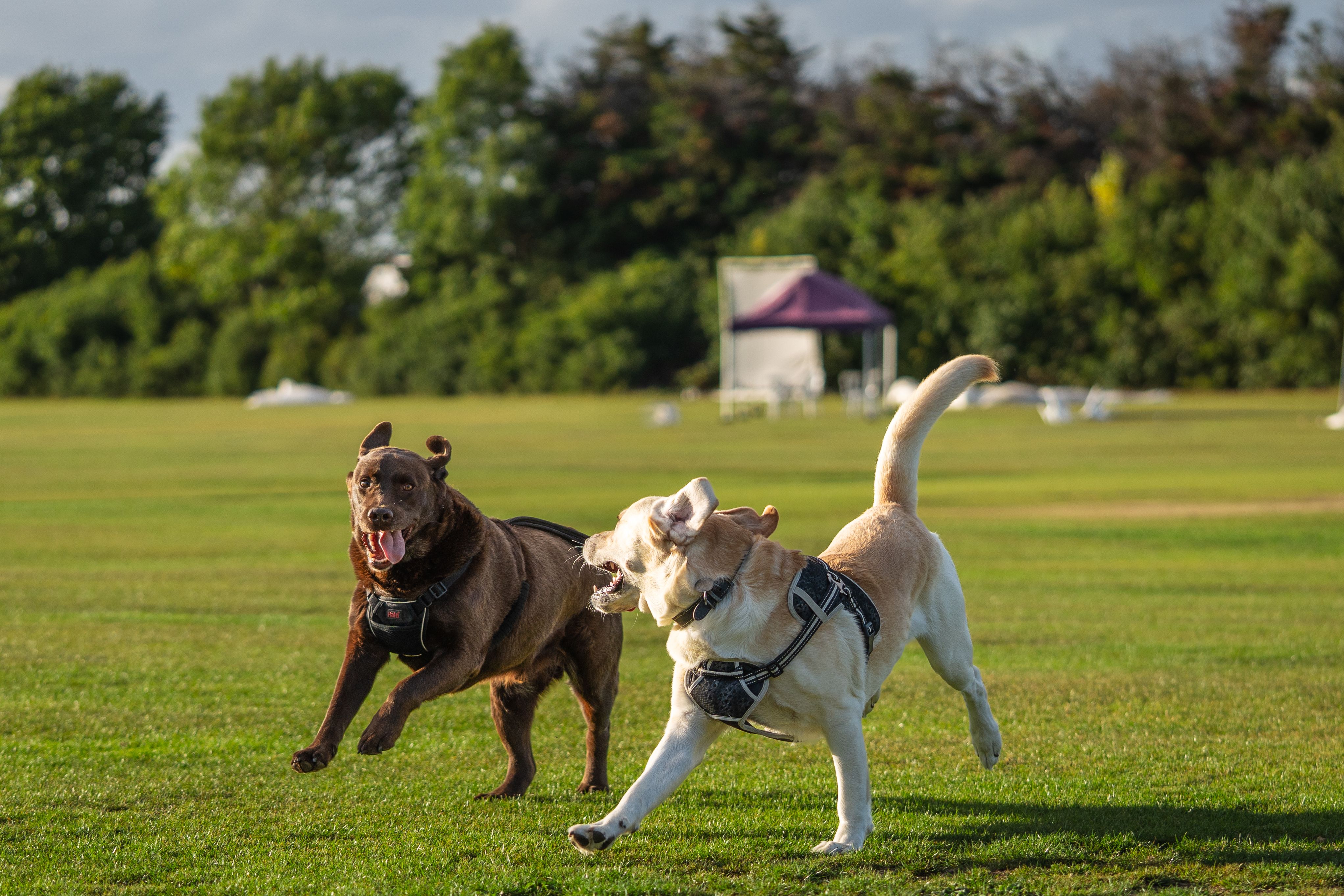
Small-breed dogs often face unique social challenges. Their diminutive size can make them appear vulnerable in larger, more boisterous groups, leading to anxiety or hesitation during play. Structured play groups designed specifically for small dogs provide a safe environment where confidence, communication skills, and physical fitness can flourish. By participating in these curated sessions, owners can observe measurable improvements in their pets’ behavior while fostering lasting friendships among canine companions.
Why Small Dog Play Groups Matter
Creating a dedicated space for small dogs offers several distinct benefits that go beyond simple recreation:
- Confidence building: Repeated positive interactions teach dogs that they can navigate social situations without fear.
- Skill development: Games and structured activities reinforce obedience cues, impulse control, and body awareness.
- Physical health: Gentle exercise supports joint health and weight management, especially important for breeds prone to obesity.
- Owner education: Observing group dynamics provides insights into canine body language and effective handling techniques.
For a deeper dive into the advantages of small-dog socialization, Read more about this topic.
Key Components of an Effective Play Group
Size-Appropriate Environment
The venue should be enclosed, free of large-breed dogs, and equipped with low-height obstacles. Soft flooring reduces impact on tiny joints, while ample space allows each dog to move without feeling crowded.
Facilitated Sessions
Qualified facilitators guide activities, intervene when necessary, and model calm behavior. Their role includes:
- Introducing structured games (e.g., fetch, scent trails).
- Monitoring body language to prevent escalation.
- Providing brief training cues to reinforce obedience.
Guidelines for facilitator involvement can be explored further in Learn more in this detailed guide.
Gradual Socialization Steps
Successful groups follow a progressive approach:
- Welcome period: Dogs sniff and greet at a safe distance.
- Controlled interaction: Short, supervised play bursts with clear start and stop signals.
- Skill-focused games: Activities that require turn-taking and sharing of toys.
- Cool-down phase: Calm stretching and water breaks to end on a relaxed note.
For a step-by-step outline of these phases, Explore further insights here.
Practical Tips for Owners
- Health check: Ensure vaccinations are up to date before the first session.
- Observe temperament: Introduce your dog to the environment during a trial visit to gauge comfort level.
- Bring essentials: Pack water, a small towel, and a favorite low-value toy for positive reinforcement.
- Stay engaged: Remain nearby but allow your dog to interact independently; intervene only when necessary.
Additional recommendations for preparing your dog can be found at Find additional information here.
Measuring Progress
Tracking improvements helps both owners and facilitators adjust the program to meet each dog’s needs. Consider using a simple log that records:
- Behavioral changes (e.g., reduced barking, increased approachability).
- Physical milestones (e.g., stamina during play, weight stability).
- Skill acquisition (e.g., response to “leave it,” ability to wait for a turn).
Regular reviews of this data enable targeted interventions and celebrate successes, reinforcing the positive cycle of learning and confidence.
Common Challenges and Solutions
Over-excitement
Small dogs may become overly enthusiastic, leading to accidental nipping. Solution: incorporate short “pause” cues and provide calm water breaks to reset arousal levels.
Fear of New Dogs
Some dogs may freeze or retreat when encountering unfamiliar peers. Solution: use a “buddy system” where a well-socialized small dog serves as a gentle guide.
Size Mismatch Within the Group
Even among small breeds, size variance can cause intimidation. Solution: group dogs by weight range (e.g., under 10″?lb, 10-20″?lb) to ensure balanced play.
For strategies to address these obstacles, Read more about this topic.
Conclusion
Small dog play groups offer a structured, supportive setting where miniature canines develop confidence, refine social skills, and stay physically healthy. By emphasizing size-appropriate environments, skilled facilitation, and incremental socialization, these groups transform shy or tentative dogs into well-adjusted companions. Owners who invest time in these programs not only witness behavioral improvements but also gain valuable insights into canine communication, fostering stronger bonds with their pets. For anyone seeking a proven method to nurture a small dog’s well-being, participating in a dedicated play group remains one of the most effective and enjoyable approaches available.
About the Author