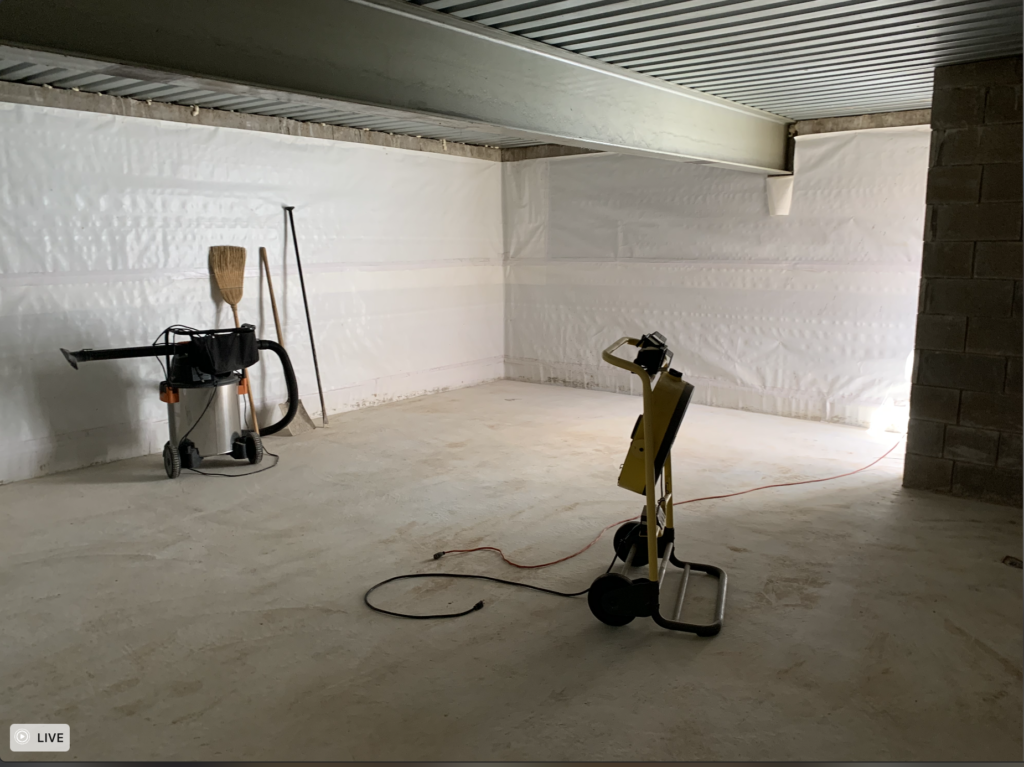
Sealing a basement effectively is crucial for maintaining the structural integrity and comfort of a home. Proper basement sealing prevents moisture ingress, which can lead to mold growth, structural damage, and other related issues. Homeowners often find themselves overwhelmed by the task, but with the right information and approach, it can be a manageable project. This article provides top tips for effective basement sealing and highlights important considerations to ensure a durable and efficient solution.
Understanding the Importance of Basement Sealing
Basement sealing is essential for several reasons:
- Preventing Water Damage: Effective sealing protects the basement from water infiltration, which can compromise the foundation and lead to serious damage.
- Enhancing Indoor Air Quality: By preventing moisture entry, sealing helps reduce the risk of mold and mildew, leading to better air quality.
- Increasing Home Value: A well-sealed basement can enhance the overall value of a property, making it more attractive to potential buyers.
Key Steps in Basement Sealing
1. Assess the Basement Condition
Before initiating any sealing project, it is crucial to thoroughly assess the current condition of the basement. Look for signs of moisture, cracks, or existing water damage. Identifying these issues early can prevent unnecessary complications during the sealing process.
2. Choose the Right Sealing Products
There are various products available for basement sealing and waterproofing. Select products that are specifically designed for the basement environment and are suitable for the type of foundation in your home. Epoxy and polyurethane injections can be effective for filling and sealing cracks.
3. Prepare the Surface
Proper surface preparation is critical for ensuring that the sealing products adhere well. Clean the basement walls and floors thoroughly, removing any dirt, dust, or loose materials. Repair any existing cracks or holes before applying the sealant.
Additional Tips for Effective Sealing
1. Ensure Proper Drainage
Implementing an efficient drainage system is vital in preventing water accumulation around the foundation. Ensure that gutters and downspouts direct water away from the house. Consider installing a French drain or sump pump if necessary.
2. Regular Maintenance and Inspection
After sealing, conduct regular inspections to ensure the integrity of the seal. Address any new cracks or signs of moisture promptly to maintain the effectiveness of the sealing.
3. Consider Professional Assistance
While DIY sealing can be effective, professional assistance may be necessary for extensive or complicated issues. Professionals can provide a comprehensive assessment and offer tailored solutions for enduring basement waterproofing.
Conclusion
Effective basement sealing is a critical aspect of home maintenance that protects against water damage and enhances property value. By understanding the importance of sealing, assessing the basement condition, choosing the right products, and implementing proper drainage, homeowners can ensure a dry and secure basement. Regular maintenance and professional consultations further contribute to the longevity and effectiveness of the sealing project. For those needing expert guidance, exploring professional basement sealing and waterproofing services can be a valuable step toward achieving peace of mind and preserving the home”?s integrity.
About the Author