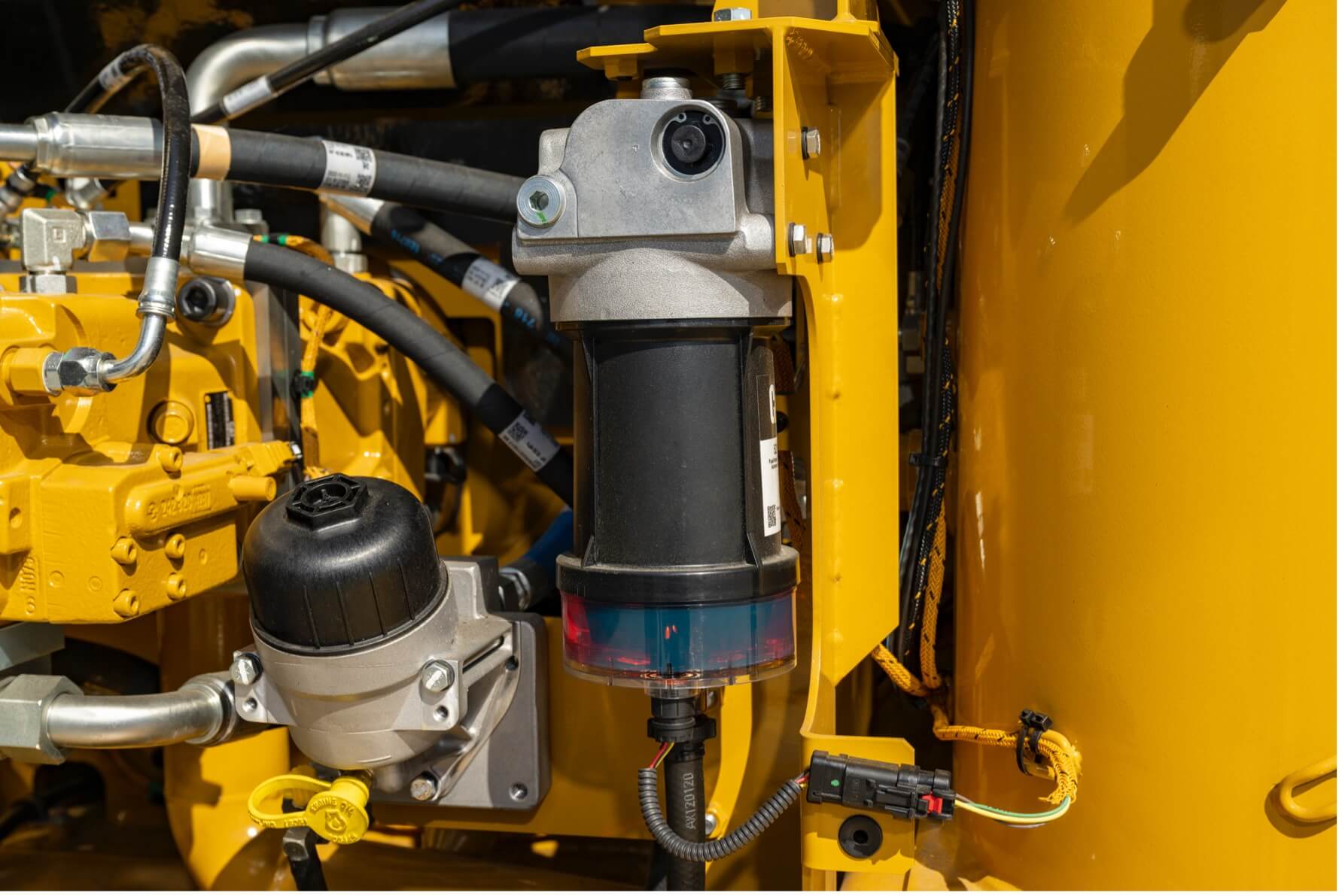
In industries where heavy lifting and precise control are crucial, ensuring safety through the use of quality hydraulic equipment is paramount. This reliance on hydraulic systems is not only to enhance operational efficiency but also to safeguard workers and assets. As the backbone of many industrial applications, the role of well-engineered hydraulic solutions cannot be overstated. However, without proper maintenance and the use of top-tier components, the risk of failure and accidents significantly increases.
The Importance of Quality in Hydraulic Equipment
The performance and safety of hydraulic equipment are directly linked to the quality of its components. High-quality parts ensure the system operates smoothly and reliably, reducing the likelihood of unexpected breakdowns. Here are some key reasons why quality matters:
- Durability: Superior materials and craftsmanship extend the life of the equipment.
- Efficiency: High-quality components ensure optimal performance, reducing energy consumption.
- Safety: Reliable equipment minimizes the risk of accidents and injuries.
Key Components for Safety
When it comes to hydraulic systems, each component plays a critical role. Essential parts such as the hydraulic lift cylinder and valves must be meticulously selected and maintained. These components are vital for controlling the movement and pressure within the system, ensuring a safe and effective operation.
- Hydraulic Cylinders: Responsible for moving and lifting heavy loads, these components must withstand high pressures.
- Valves: Control the flow and pressure, essential for precise operations and preventing overloads.
- Pumps: The heart of the system, providing the necessary force to move fluids through the system.
Enhancing Safety Standards
Implementing stringent safety standards and regular maintenance schedules can significantly enhance the safety of hydraulic systems. This includes regular inspections, timely replacements of hydraulic lift components, and adherence to industry regulations. Proper training for operators is also crucial to prevent accidents and ensure that equipment is used correctly.
Regular Maintenance and Inspections
To prevent unexpected failures, regular maintenance and inspections should be conducted. This process involves checking for signs of wear and tear, testing system pressure, and verifying the integrity of connections and seals. Regular maintenance not only prolongs the life of the equipment but also ensures it operates safely.
- Scheduled Inspections: Regularly scheduled inspections can identify potential issues before they become serious problems.
- Component Replacement: Timely replacement of worn-out parts is crucial to maintaining system integrity and performance.
- System Testing: Routine testing ensures that all components function as expected under load conditions.
The Role of Innovation in Hydraulic Safety
Innovation in hydraulic technology continues to enhance safety and performance. Modern advancements such as smart sensors and automated diagnostics provide real-time data and feedback, allowing for proactive maintenance and improved lift hydraulics management. By integrating these technologies, industries can achieve higher levels of safety and efficiency.
Smart Technology Integration
The integration of smart technology in hydraulic systems offers several benefits:
- Real-Time Monitoring: Sensors provide continuous data on system performance, allowing for immediate response to irregularities.
- Predictive Maintenance: Advanced diagnostics can predict potential failures, reducing downtime and improving safety.
- Automated Controls: Enhance precision and reduce human error, leading to safer and more efficient operations.
In conclusion, the role of quality hydraulic equipment in enhancing safety cannot be overstated. By prioritizing high-quality components, regular maintenance, and leveraging modern innovations, industries can ensure their operations run smoothly and safely. Investing in top-tier hydraulic solutions is an investment in the safety and success of any industrial operation.
About the Author


