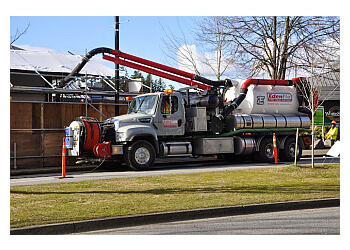
Septic systems are a crucial component of many residential and commercial properties, ensuring the efficient disposal of wastewater. Proper maintenance of these systems is essential to avoid costly repairs and potential health hazards. With regular care and attention, homeowners can extend the life of their septic systems, prevent leaks, and maintain optimal functionality. Implementing expert strategies can help in achieving these goals, and learning from professionals can offer a wealth of knowledge to keep your septic system running smoothly.
Understanding Your Septic System
A septic system is comprised of a septic tank and a drain field. Wastewater from your home flows into the septic tank, where solids settle at the bottom and scum floats to the top. Bacteria in the tank break down the solid waste, while the remaining liquid flows into the drain field for further treatment. Understanding these components and their functions is fundamental to effective maintenance.
Regular Inspections and Pumping
Regular inspections are vital to ensure that your septic system is functioning correctly. It is recommended to have a professional inspect your system every three years. During these inspections, professionals can identify potential issues before they become major problems. Additionally, septic tanks should typically be pumped every three to five years, depending on the size of the tank and the number of occupants in the home. Learn about our tailored solutions for septic tank cleaning and maintenance.
Signs Your Septic System Needs Attention
- Slow draining sinks and toilets.
- Unpleasant odors around your property.
- Standing water near the drain field.
- Lush, green grass over the septic tank area.
Conserving Water
Conserving water is not only environmentally friendly but also essential for maintaining a healthy septic system. Excessive water usage can overload the system, leading to potential failures. Implementing water-saving techniques can help manage the flow into the septic tank:
- Install low-flow toilets and showerheads.
- Fix leaks promptly to avoid unnecessary water flow.
- Spread out laundry and dishwasher loads throughout the week.
Discover expert strategies here to manage water usage effectively.
Avoiding Harmful Chemicals
Many household chemicals can disrupt the natural bacterial balance in a septic tank, hindering its ability to break down waste. Avoid flushing or pouring down the drain any substances such as:
- Bleach or other harsh cleaning agents.
- Pesticides and herbicides.
- Paints and solvents.
Instead, opt for septic-safe cleaning products to minimize impact. Explore advanced guides and tips on selecting the right products for your home.
Protecting the Drain Field
The drain field is an integral part of the septic system, responsible for further treating the liquid waste from the tank. To maintain its efficiency, it is crucial to:
- Avoid parking vehicles or placing heavy objects on the drain field.
- Ensure trees and shrubs are planted at a safe distance to prevent root intrusion.
- Direct rainwater runoff away from the drain field area.
Find out more about this approach to safeguard your drain field.
Maintaining a septic system may seem daunting, but with the right knowledge and practices, it becomes manageable. By implementing these expert tips and scheduling regular maintenance, homeowners can ensure their septic systems remain in good condition for years to come. For those seeking further assistance, explore advanced guides and tips offered by professionals to stay informed and proactive about septic sewer maintenance.
About the Author