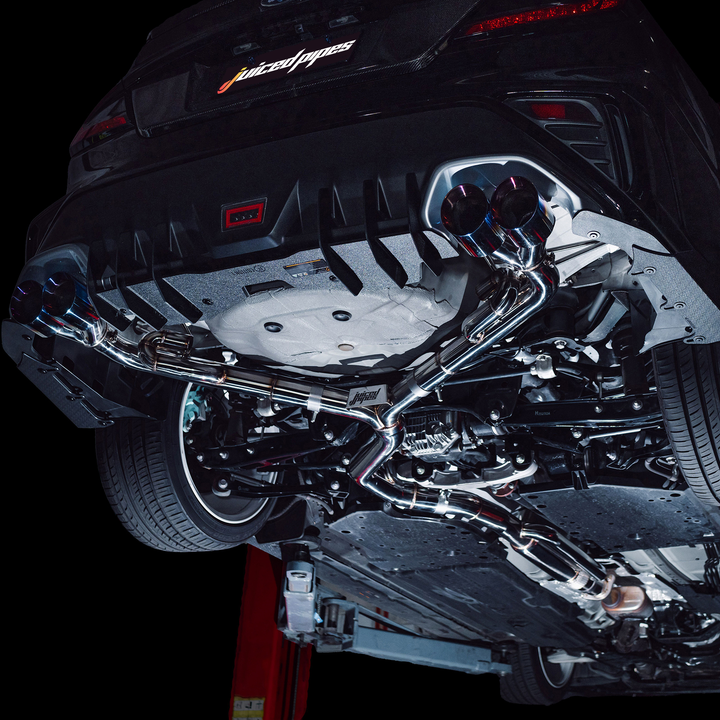
Upgrading to a performance exhaust system is a popular modification among car enthusiasts seeking to enhance their vehicle’s power and sound. A performance exhaust can improve engine efficiency, increase horsepower, and produce a more aggressive exhaust note. However, before making an investment, it’s crucial to understand the different types of exhaust systems available, their benefits, and considerations to keep in mind. This guide will provide essential insights into performance exhaust systems, helping you make an informed decision that suits your needs and driving style.
Understanding Performance Exhaust Systems
Types of Performance Exhaust Systems
When exploring performance exhaust options, it’s important to understand the various types available. Each type offers unique benefits and may cater to different performance goals:
- Cat-Back Exhaust Systems: These systems replace components from the catalytic converter back to the exhaust tip. They often improve sound and performance without affecting emissions systems.
- Axle-Back Exhaust Systems: Replacing only the exhaust components from the rear axle to the exhaust tip, these systems are typically more affordable and easier to install.
- Header-Back Exhaust Systems: Offering the most significant performance improvements, these systems replace the entire exhaust system from the headers back. However, they are more complex to install and may impact emissions compliance.
Materials and Construction
The material and construction of an exhaust system play a crucial role in its performance and longevity. Common materials include:
- Stainless Steel: Known for its durability and resistance to corrosion, stainless steel is a popular choice for performance exhaust systems.
- Aluminized Steel: While more affordable, aluminized steel offers less resistance to corrosion compared to stainless steel but is still a viable option for those on a budget.
For a deeper understanding of materials and their impact on exhaust performance, find out more about this approach.
Benefits of Upgrading to a Performance Exhaust
Investing in a performance exhaust system can yield several benefits, including:
- Increased Horsepower: By reducing back pressure and improving exhaust flow, performance exhausts can boost engine horsepower.
- Enhanced Sound: Many enthusiasts appreciate the deeper, more aggressive sound that a performance exhaust provides.
- Improved Fuel Efficiency: Optimized exhaust flow can lead to better engine efficiency and, potentially, improved fuel economy.
To learn more about the tailored solutions available for enhancing vehicle performance, explore advanced guides and tips.
Considerations Before Purchasing
Emission Regulations
Before purchasing a performance exhaust system, it’s important to consider local emission regulations. Some systems may affect the vehicle’s compliance with environmental standards, so checking the legality is essential.
Installation and Maintenance
Performance exhaust systems can range from simple bolt-on installations to more complex setups that require professional installation. Consider the following:
- DIY vs. Professional Installation: Assess your mechanical skills and comfort level with installing the system yourself. Professional installation may be preferable for complex systems.
- Maintenance Requirements: Performance systems may require periodic inspections and maintenance to ensure optimal performance.
Discover expert strategies for maintenance and installation here.
Conclusion
Choosing the right performance exhaust system involves understanding the types available, the materials used, and the benefits they offer. It’s crucial to consider legal regulations and installation requirements to ensure a smooth upgrade process. By taking these factors into account, car enthusiasts can make an informed decision that enhances their vehicle’s performance and sound profile. For more detailed information and tips, learn about our tailored solutions.
About the Author