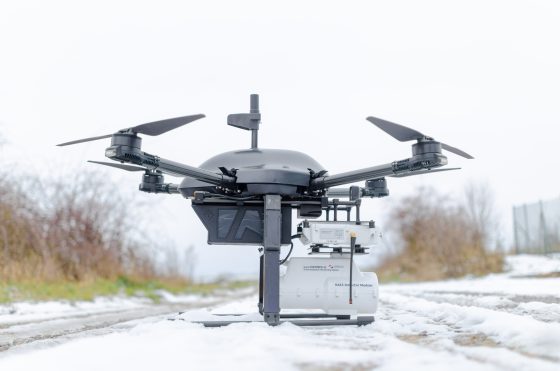
As the world becomes increasingly aware of the potential risks associated with radiation exposure, innovative technologies are emerging to enhance safety and monitoring capabilities. Among these innovations, drone radiation detection technology is gaining attention as a transformative tool in various sectors, from environmental monitoring to industrial safety. This article explores the future of safety technology through the lens of drone-based radiation detection, highlighting its benefits, applications, and the technological advancements driving its evolution.
Revolutionizing Safety with Drone Technology
Drones have revolutionized many industries with their ability to access hard-to-reach areas and collect data efficiently. When equipped with radiation detection systems, these unmanned aerial vehicles (UAVs) offer a groundbreaking approach to ensuring safety in environments with potential radiation hazards.
Advantages of Drone Radiation Detection
- Enhanced Reach: Drones can access areas that are dangerous or challenging for humans to reach, such as nuclear accident sites or high-altitude zones.
- Real-time Data Collection: Equipped with advanced sensors, drones provide immediate radiation level readings, allowing for prompt decision-making.
- Cost Efficiency: By reducing the need for manned missions and expensive protective equipment, drones offer a cost-effective solution.
- Versatility: These UAVs can be deployed in various environments, from urban settings to remote wilderness areas.
Applications Across Industries
The versatility of drone radiation detection technology allows for a wide range of applications across different industries. For instance, in the nuclear energy sector, drones can monitor radiation levels around plants and waste storage facilities. Environmental agencies can use drones to track radiation in natural disasters or accidental releases, ensuring public safety and environmental protection.
In the medical field, drones can assist in managing radiation safety around hospital facilities and during the transportation of radioactive materials. Furthermore, military and defense sectors utilize drones for monitoring radiation levels in conflict zones or during nuclear threat assessments.
For more industry-specific applications and tailored solutions, learn about our tailored solutions to address unique challenges across these sectors.
Technological Advancements Driving Innovation
The efficacy of drone radiation detection technology is continually improved by advancements in sensor technology, data analytics, and UAV design. Key innovations include:
- High-Sensitivity Sensors: Modern sensors offer increased sensitivity and precision, capable of detecting even minimal radiation levels.
- AI and Machine Learning: Integration of AI enhances data interpretation, providing predictive insights and optimizing flight patterns for more comprehensive coverage.
- Improved Battery Life: Advances in battery technology extend the operational range and duration of drone missions.
- Miniaturization: Smaller and lighter sensors reduce the payload, enabling longer flights and more agile drones.
To explore advanced guides and tips on how these technologies are being integrated into current systems, find out more about this approach.
Future Prospects and Challenges
The future of drone radiation detection technology is promising, with ongoing research and development aimed at overcoming existing limitations and expanding capabilities. However, challenges such as regulatory hurdles, privacy concerns, and the need for skilled operators remain.
As these issues are addressed, the potential for drones to enhance safety in radiation-prone environments will only grow. Discover expert strategies here for navigating these challenges and unlocking the full potential of drone technology in radiation safety.
In conclusion, as drone radiation detection technology continues to advance, it offers a powerful tool for enhancing safety, reducing risks, and ensuring effective monitoring across various sectors. By leveraging cutting-edge innovations, industries can better protect both people and the environment from radiation hazards.
About the Author