Mold remediation is an essential process undertaken to manage and eliminate mold growth in residential and commercial properties. Mold can pose significant health risks, including respiratory issues and allergic reactions, making it crucial to address any mold problems promptly and effectively. The remediation process involves several steps that require professional expertise to ensure the mold is completely removed and the environment is restored to a safe state. This article delves into the comprehensive process of mold remediation, highlighting key steps and considerations to ensure the successful removal of mold in any setting.
Understanding Mold and Its Impact
Mold is a type of fungus that thrives in damp, humid environments. It can cause significant structural damage to buildings and pose health risks to occupants. Understanding the nature of mold is the first step in addressing its impact effectively.
- Mold spores are microscopic and can be found in both indoor and outdoor environments.
- When mold spores land on wet surfaces, they can begin to grow and spread rapidly.
- Exposure to mold can cause symptoms such as sneezing, skin irritation, and respiratory problems.
Initial Mold Assessment
The first step in mold remediation is a thorough assessment of the affected area. This involves identifying the extent of the mold growth and the underlying causes of moisture accumulation. Professional mold inspectors utilize advanced techniques to evaluate the situation accurately. Find out more about this approach.
Containment and Prevention of Spread
Once the mold has been assessed, the next step is to contain the affected area to prevent further contamination. This includes sealing off the area to avoid the spread of mold spores to uncontaminated parts of the building.
- Use of negative air chambers to isolate the contaminated area.
- Shutting off HVAC systems to prevent mold spores from circulating.
- Utilizing physical barriers and containment procedures.
Effective Mold Removal Techniques
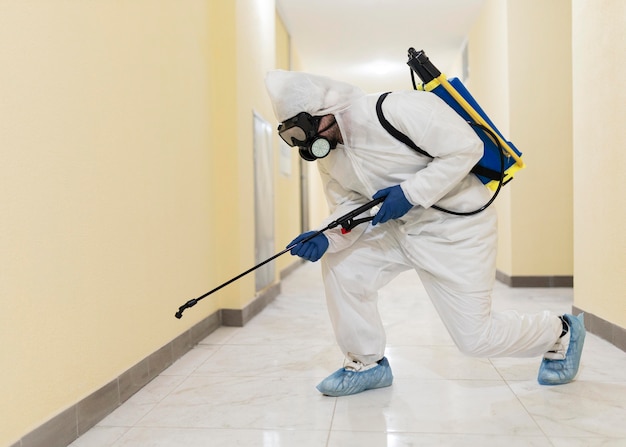
After containment, the actual mold removal process begins. This involves cleaning and treating the affected areas with specialized tools and products designed to eliminate mold. Learn about our tailored solutions.
Cleaning and Disinfection
Cleaning involves removing mold from surfaces and disinfecting the area to kill any remaining spores. Professionals employ various methods depending on the severity and location of the mold infestation.
- Using antimicrobial and antifungal treatments to eliminate mold.
- Removing and replacing severely damaged materials, such as drywall and insulation.
- Utilizing HEPA vacuums and air scrubbers to capture mold particles.
Drying and Dehumidification
Once the mold is removed, drying and dehumidifying the area is crucial to prevent future mold growth. This step ensures that moisture levels are controlled and that the environment remains inhospitable to mold.
- Employing high-speed air movers and dehumidifiers.
- Monitoring moisture levels continuously to ensure complete dryness.
Final Inspection and Restoration
After completing the mold removal and drying process, a final inspection is conducted to ensure that all mold has been eradicated. Restoration efforts then begin to return the property to its original state.
- Conducting a detailed inspection to confirm mold removal.
- Repairing and restoring any structural damage caused by mold.
- Repainting, re-carpeting, or refurbishing areas as needed.
Understanding the process of mold remediation is crucial for maintaining healthy and safe environments. Professional mold remediation services employ a systematic approach to ensure complete removal and prevention of future occurrences. Explore advanced guides and tips to learn more about effective strategies in managing mold issues.
About the Author