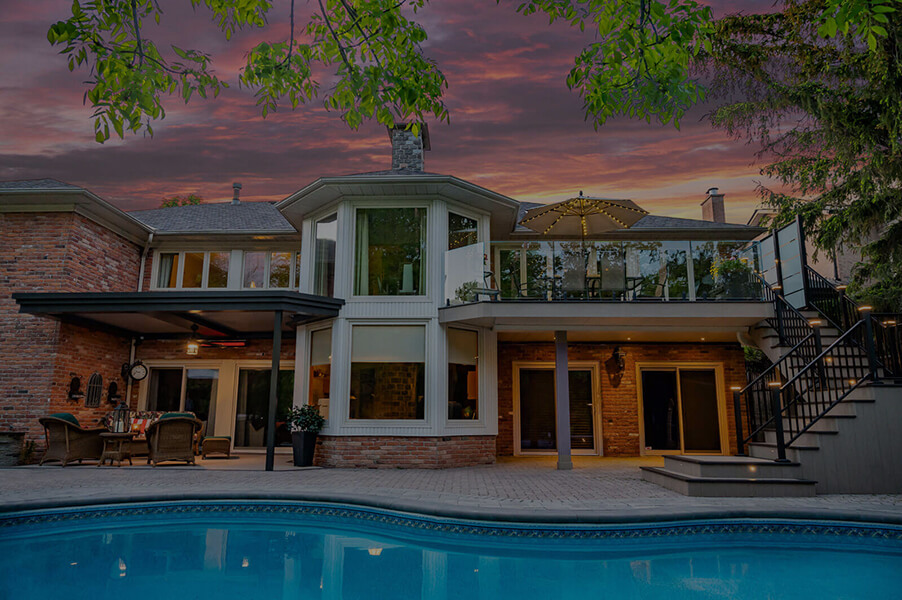
In the realm of commercial construction and design, decking solutions play a pivotal role in creating functional and aesthetic outdoor spaces. Businesses, ranging from restaurants to corporate offices, often seek decking solutions that are durable, safe, and visually appealing. Whether for a rooftop terrace, a welcoming entrance, or an outdoor dining area, the right decking choice can significantly impact the overall ambiance and functionality of a space. As businesses prioritize sustainability and long-term investments, the selection of material and design becomes even more critical.
Types of Commercial Decking
Wooden Decking
Wood remains a classic choice due to its natural beauty and timeless appeal. However, it requires regular maintenance to prevent weathering and decay. Common options include:
- Pressure-Treated Lumber: Economical and treated to resist rot and insects, making it suitable for various climates.
- Hardwoods: Options like teak and ipe offer durability and rich color, albeit at a higher cost.
Discover expert strategies here for maintaining wooden decking in commercial settings.
Composite Decking
Composite decking is made from a blend of wood fibers and plastic, offering a low-maintenance alternative to traditional wood. Its benefits include:
- Durability: Resistant to mold, mildew, and fading.
- Eco-Friendly: Often made from recycled materials.
- Variety of Styles: Available in a range of colors and textures to mimic real wood.
Learn about our tailored solutions for incorporating composite decking into commercial projects.
PVC Decking
Polyvinyl Chloride (PVC) decking is another low-maintenance option that offers excellent resistance to moisture and insects. Its features include:
- Water Resistance: Ideal for areas exposed to heavy rainfall or moisture.
- Fade Resistance: Maintains its color over time, even in direct sunlight.
- Lightweight: Easier to install compared to heavier materials.
Explore advanced guides and tips on selecting PVC decking for commercial applications.
Key Considerations for Commercial Decking
Safety and Accessibility
When designing a commercial deck, safety should be a paramount concern. Features to consider include:
- Non-Slip Surfaces: Essential to prevent accidents, especially in wet conditions.
- ADA Compliance: Ensure the deck is accessible to all, with ramps and adequate space for mobility aids.
Find out more about this approach to integrating safety features into commercial decking projects.
Environmental Impact
With growing awareness of environmental issues, many businesses are opting for sustainable decking solutions. Considerations include:
- Material Sourcing: Choose materials from sustainable sources to minimize ecological impact.
- Lifecycle Impact: Evaluate the environmental footprint of materials over their lifespan, including disposal.
Explore advanced guides and tips on choosing environmentally friendly decking options.
Design and Aesthetic Appeal
The design of commercial decking should complement the overall architectural style of the business. Here are some design tips:
- Color Coordination: Choose colors that align with the brand’s image and environment.
- Incorporate Greenery: Adding planters and green spaces can enhance the natural feel and provide shade.
- Lighting Solutions: Implement ambient lighting to create a welcoming atmosphere during evening hours.
Learn about our tailored solutions for designing aesthetically pleasing commercial decks.
In conclusion, selecting the right commercial decking solution involves a careful balance of aesthetics, durability, and sustainability. By considering the specific needs of the business environment and integrating modern technologies and materials, businesses can create outdoor spaces that are both functional and inviting. Whether the choice is wood, composite, or PVC, the key is to align the decking solution with the company”?s values and operational requirements, ensuring long-term satisfaction and performance.
About the Author