In the fast-paced world of digital interaction, enhancing one’s workflow is essential. Screen recording has emerged as a pivotal tool for professionals across various fields, enabling efficient communication, training, and content creation. With the advent of advanced virtual reality (VR) systems, the capabilities of screen recording have significantly expanded. The Quest 3, a leading VR device, offers remarkable features that can transform how individuals and businesses approach their day-to-day tasks. This article delves into the benefits and applications of screen recording with the Quest 3, providing insights on how it can enhance productivity and collaboration.
Understanding Screen Recording on Quest 3
Screen recording on the Quest 3 is not just about capturing visuals. It offers an immersive experience that blends virtual reality with high-quality recordings. This can be particularly beneficial for:
- Training and Development: By recording VR sessions, trainers can create engaging tutorials that help learners grasp complex concepts more efficiently.
- Product Demos: Businesses can showcase their products in a virtual environment, providing potential clients with an interactive demonstration.
- Remote Collaboration: Teams can share their VR experiences, making remote collaboration more dynamic and interactive.
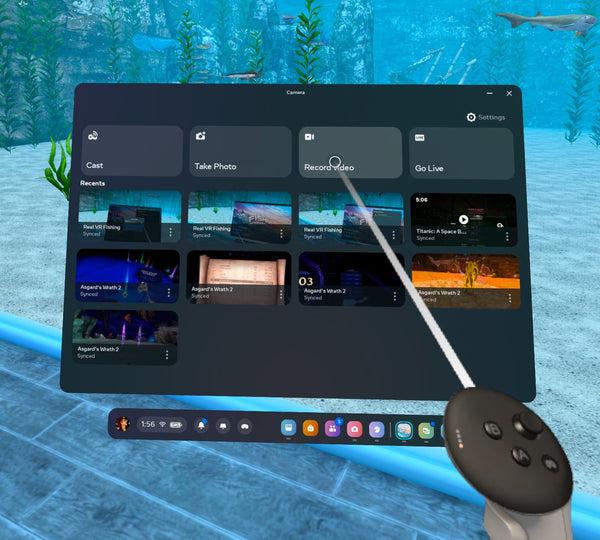
For those interested in the technical aspects and step-by-step instructions on how to record gameplay on the Quest 3, read more about this topic.
Key Features of Quest 3 Screen Recording
High-Resolution Capture
The Quest 3 provides high-resolution video capture, which ensures that all details are clearly visible. This is crucial for creating professional-grade videos that can be used for official presentations or detailed analysis.
Seamless Integration
With its user-friendly interface, the Quest 3 allows seamless integration of screen recording into everyday activities. This means minimal disruption and a smoother workflow for users who rely on VR technology.
Advanced Editing Tools
The Quest 3 is compatible with a range of advanced editing tools. Users can easily edit and enhance their recordings to suit specific needs. Explore further insights here on how these tools can be utilized effectively.
Applications Across Different Industries
Screen recording with the Quest 3 can be applied in numerous industries, each benefiting uniquely from the technology. Here are some examples:
- Education: Teachers can record VR lessons, providing students with an immersive learning experience that enhances understanding and retention.
- Healthcare: Medical professionals can use VR recordings for simulations, training, and patient education, offering a hands-on approach to learning.
- Entertainment: Content creators can produce engaging VR experiences, pushing the boundaries of traditional media.
To understand more about the diverse applications and how to optimize screen recording for specific sectors, learn more in this detailed guide.
Enhancing Workflow with Screen Recording
Integrating screen recording into daily operations can dramatically enhance workflow efficiency. Here?s how:
- Increased Accessibility: Recorded sessions can be accessed anytime, accommodating different time zones and schedules.
- Improved Communication: Visual recordings help in conveying complex information more effectively than traditional methods.
- Enhanced Creativity: With the ability to revisit and revise recordings, professionals can explore new ideas and improve their work continuously.
For those looking to dive deeper into the strategic implementation of screen recording and its impact on workflow, find additional information here.
In conclusion, screen recording with the Quest 3 presents a unique opportunity to enhance productivity and creativity. By embracing this technology, individuals and organizations can stay ahead in an increasingly digital world.
About the Author