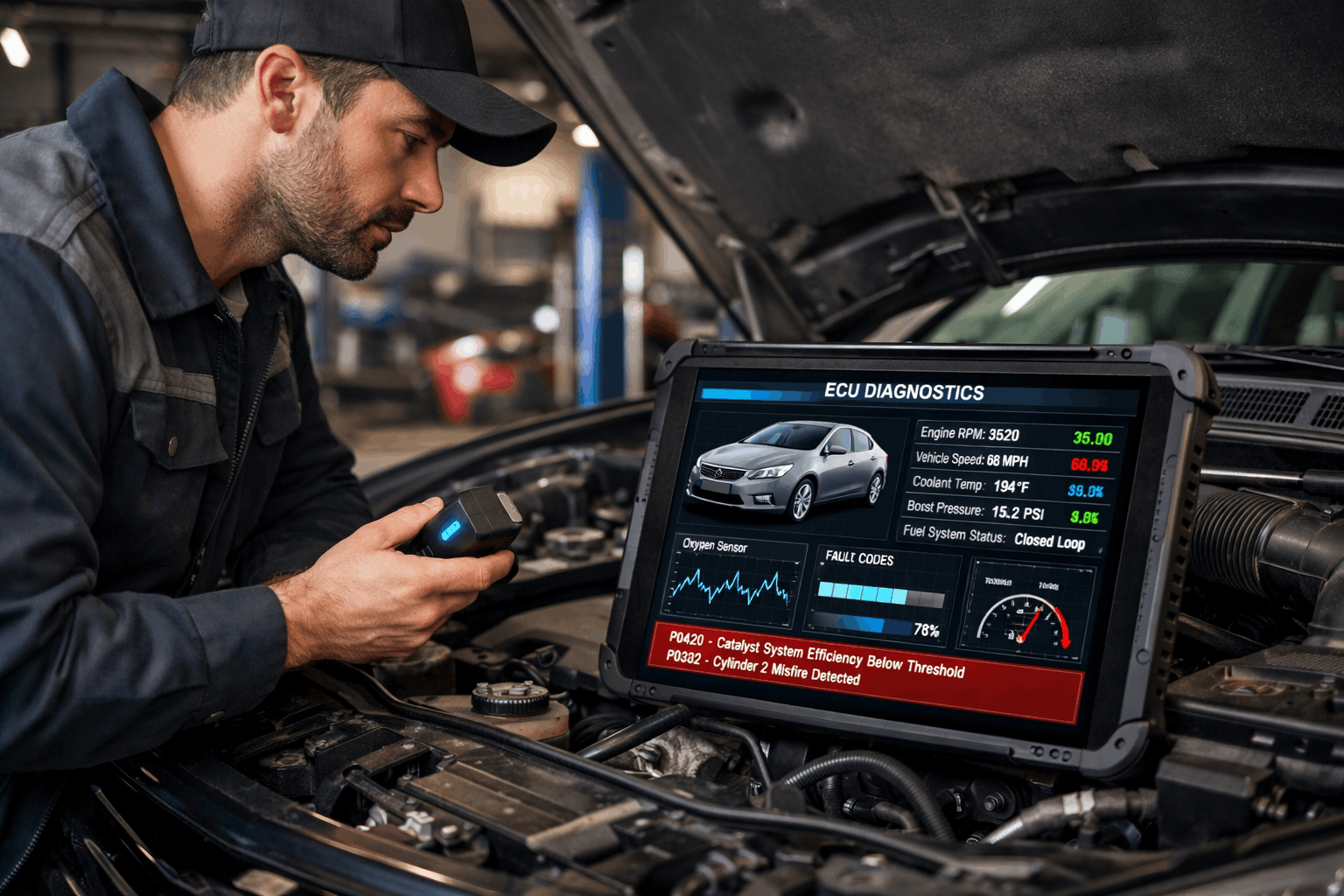
Owning a vehicle is a significant responsibility that extends beyond the initial purchase. Regular maintenance is pivotal in ensuring the longevity and efficiency of any vehicle. Staying ahead with essential maintenance services not only safeguards performance but also prevents unexpected breakdowns and costly repairs. This article explores the critical maintenance services that every vehicle owner should prioritize to maintain their vehicle’s optimal condition.
Regular Oil Changes
Oil changes are arguably the most crucial maintenance service. The engine oil lubricates the engine’s moving parts, reducing friction and wear. Over time, oil degrades and becomes contaminated, losing its ability to protect the engine effectively.
- Follow the manufacturer’s recommended oil change intervals.
- Opt for high-quality oil for better engine performance.
- Discover expert strategies here for choosing the right oil for your vehicle.
Tire Maintenance
Tires are the contact point between your vehicle and the road, making their maintenance essential for safety and efficiency. Proper tire maintenance involves several aspects:
- Regularly check tire pressure to ensure optimal fuel efficiency and tire longevity.
- Rotate tires every 6,000 to 8,000 miles to promote even wear.
- Inspect for tread wear and replace tires when necessary.
- Learn about our tailored solutions for tire maintenance and replacements.
Brake System Checks
The brake system is critical for safety. Regular checks and maintenance can prevent failure and ensure that the brakes function effectively.
- Listen for squeaking or grinding noises that indicate worn brake pads.
- Have the brake fluid checked and replaced as needed.
- Explore advanced guides and tips on maintaining your vehicle’s brake system.
Battery Inspection
A well-maintained battery ensures that your vehicle starts reliably and powers all electrical components. Regular inspections can prevent unexpected battery failures.
- Check for corrosion on battery terminals and clean as necessary.
- Test battery voltage regularly to ensure it holds a charge.
- Replace the battery every 3-5 years, or as recommended by the manufacturer.
- Find out more about this approach to battery maintenance and replacement.
Fluid Level Checks
Vehicles rely on various fluids to operate efficiently. Regularly checking and topping up these fluids is essential for maintaining vehicle health.
- Monitor coolant levels to prevent overheating.
- Check transmission fluid levels to ensure smooth gear shifts.
- Ensure power steering fluid is at the correct level to maintain steering responsiveness.
- Visit this detailed guide for comprehensive insights on fluid maintenance.
Conclusion
Consistent vehicle maintenance is the key to extending the lifespan of your vehicle and ensuring it runs smoothly and safely. By prioritizing these essential services, vehicle owners can avoid costly repairs and enhance their driving experience. For those seeking further insights into maintaining their vehicles, a range of expert resources and tailored solutions are readily available. Understanding the importance of each maintenance task and staying informed can make all the difference in vehicle longevity.
About the Author