Maintaining the plumbing in your bathroom sink is an essential aspect of home care that can prevent costly repairs and ensure efficient water flow. Regular maintenance not only extends the life of your bathroom fixtures but also contributes to a healthier home environment. By adopting a proactive approach to plumbing care, you can avoid common pitfalls and enhance the functionality of your bathroom. Understanding the basics of sink plumbing, recognizing signs of potential problems, and implementing preventative measures are crucial steps in maintaining a seamless and efficient bathroom experience.
Understanding Your Bathroom Sink Plumbing
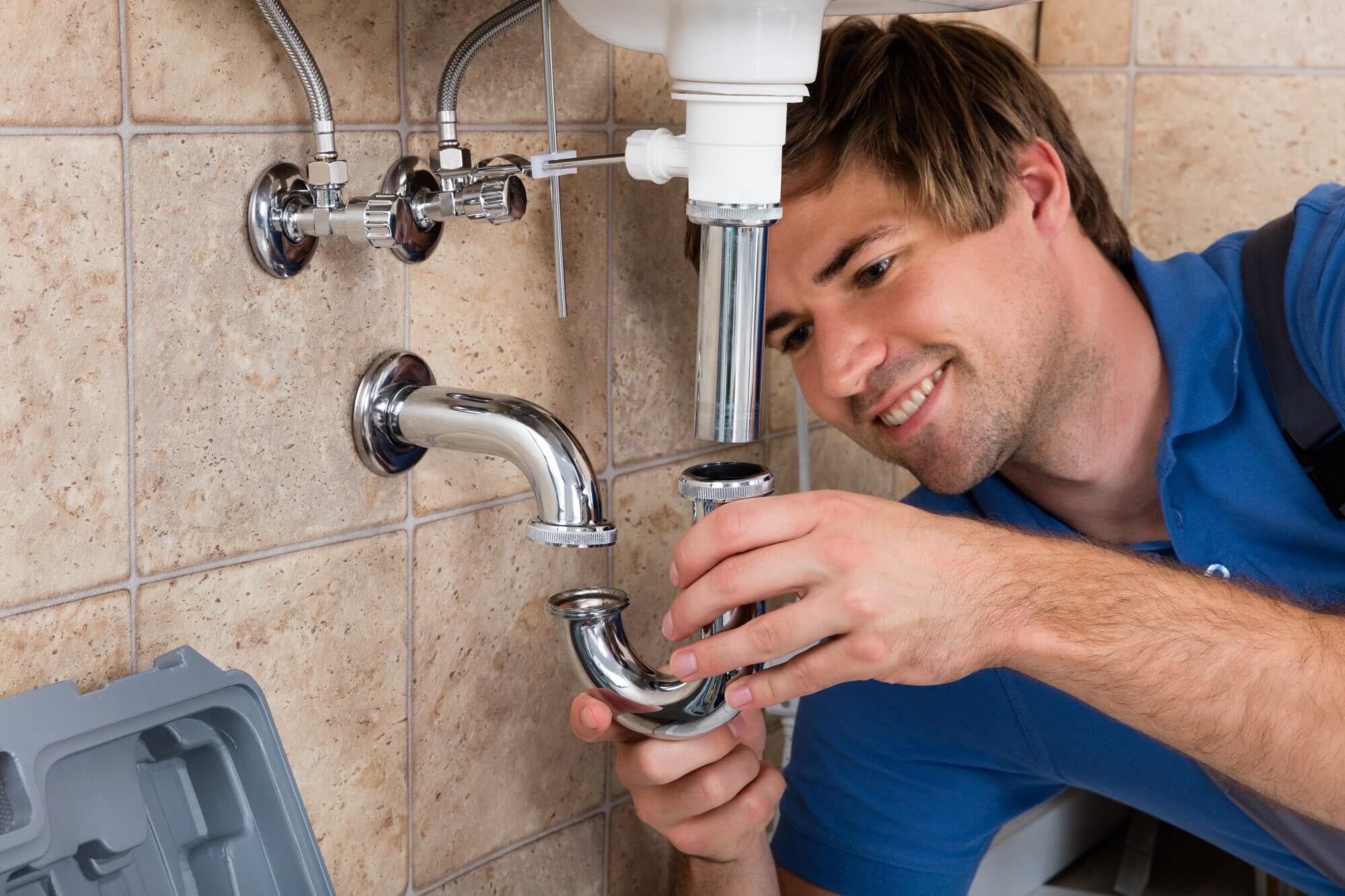
Before diving into maintenance tips, it”?s important to understand the basic components of bathroom sink plumbing:
- Drain Pipes: These are responsible for carrying wastewater away from your sink.
- P-Trap: A curved pipe under the sink that prevents sewer gases from entering your home.
- Water Supply Lines: These bring fresh water to the sink from your main water line.
By familiarizing yourself with these components, you will be better equipped to identify issues and carry out maintenance tasks effectively.
Routine Maintenance Tips
Regular maintenance can prevent minor issues from escalating into major problems. Here are some essential tips to follow:
Regular Cleaning
- Clean the sink and surrounding area regularly to prevent grime buildup.
- Use a mild cleaner to avoid damaging the sink surface.
- Wipe down faucets and handles to prevent mineral deposits.
Check for Leaks
- Inspect under the sink for any signs of water leakage or moisture.
- Ensure that all connections are tight and secure.
- If you notice any leaks, discover expert strategies here to address them effectively.
Prevent Clogs
- Use a drain cover to catch hair and debris.
- Regularly flush the drain with hot water to clear minor blockages.
- For persistent clogs, learn about our tailored solutions.
Advanced Maintenance Techniques
For those comfortable with DIY tasks, here are some advanced techniques that can help keep your bathroom sink plumbing in top condition:
Inspecting the P-Trap
- Periodically remove and clean the P-Trap to prevent clogs.
- Check for signs of corrosion or wear and replace if necessary.
- Explore advanced guides and tips for safely handling this component.
Maintaining Water Pressure
- Check the aerator on your sink faucet for blockages.
- Clean or replace the aerator to maintain optimal water pressure.
- For more detailed instructions, find out more about this approach.
When to Call a Professional
While regular maintenance can prevent many issues, some situations require professional intervention:
- Persistent leaks or water damage under the sink.
- Unusually low water pressure despite cleaning the aerator.
- Complex clogs that cannot be cleared with basic methods.
In such cases, seeking professional help ensures that the problem is resolved efficiently and effectively. Professional plumbers can provide tailored solutions and advanced repair techniques that go beyond typical DIY capabilities.
Maintaining your bathroom sink plumbing is a vital aspect of home maintenance that should not be overlooked. By implementing these tips and techniques, homeowners can ensure their plumbing systems remain in optimal condition. For additional support, guidance, and professional services, homeowners are encouraged to consult expert resources and services that specialize in bathroom plumbing care.
About the Author