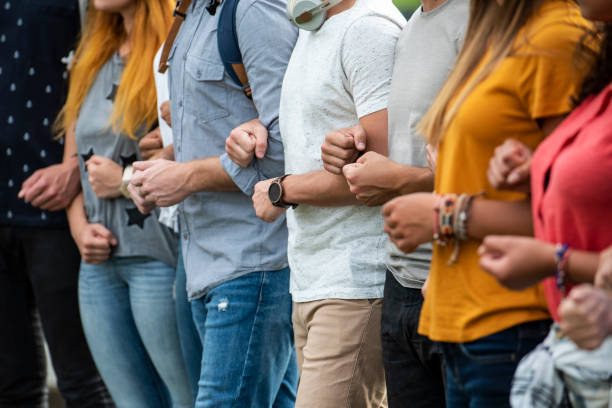
Human rights awareness is crucial for fostering a global society that values dignity, freedom, and justice for all individuals. By promoting knowledge about human rights, societies can work towards eliminating discrimination, violence, and inequality. The journey to achieving widespread human rights awareness involves education, advocacy, and active participation from communities worldwide. This article delves into the importance of human rights awareness, strategies for increasing it, and how individuals can contribute to this vital cause. To understand more about this topic, read more about this topic.
Understanding Human Rights
Human rights are fundamental entitlements inherent to all people, regardless of nationality, sex, ethnicity, religion, or any other status. These rights include:
- The right to life and liberty
- Freedom of opinion and expression
- The right to work and education
- Freedom from slavery and torture
- The right to participate in cultural life
Understanding these rights is the first step in promoting awareness. They are enshrined in international documents such as the Universal Declaration of Human Rights, which serves as a universal standard for all nations to aspire towards. Explore further insights here on the significance of these rights globally.
Strategies for Raising Human Rights Awareness
Education and Curriculum Integration
Integrating human rights education into school curricula is essential for nurturing informed and responsible citizens. It can be achieved by:
- Incorporating human rights topics into existing subjects such as history and social studies
- Developing standalone courses focused on human rights
- Engaging students in discussions and projects related to current human rights issues
Education not only informs but also empowers individuals to take action in their communities. Learn more in this detailed guide about how education can be a powerful tool for change.
Community Involvement and Advocacy
Communities play a crucial role in fostering human rights awareness through:
- Organizing workshops, seminars, and conferences to educate the public
- Supporting and engaging in advocacy campaigns
- Encouraging dialogue and collaboration among diverse groups
Grassroots movements often drive significant change by bringing attention to local and global human rights issues. Find additional information here on effective community-based strategies.
How Individuals Can Contribute
Every individual has the power to contribute to the promotion of human rights awareness. Here are some actions individuals can take:
- Stay informed about local and global human rights issues through credible sources
- Participate in human rights events and campaigns
- Use social media platforms to raise awareness and share information
- Volunteer with organizations dedicated to human rights causes
Individual efforts, when combined, can create a powerful collective impact. For more ideas on how to engage personally, explore further insights here.
The Importance of Global Cooperation
In a world increasingly interconnected, global cooperation is vital for promoting and protecting human rights. Collaboration among nations, organizations, and individuals can lead to:
- Improved legal frameworks that uphold human rights
- Enhanced mechanisms for monitoring and reporting violations
- Increased support for countries struggling with human rights challenges
A united approach can significantly bolster efforts to ensure human rights are respected worldwide. To discover more about the role of international cooperation, read more about this topic.
Promoting human rights awareness is a collective responsibility that calls for commitment from all corners of society. By understanding, educating, and actively participating in human rights advocacy, individuals and communities can work towards a world where everyone enjoys their fundamental freedoms and rights.
About the Author