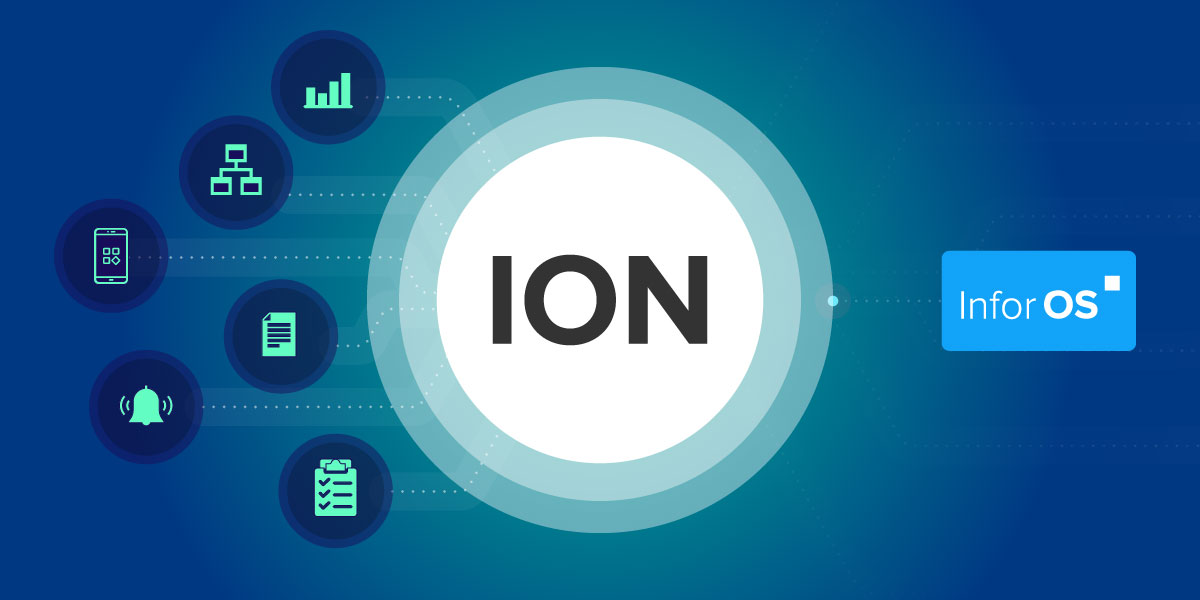
In the digital age, businesses are constantly seeking ways to enhance efficiency and streamline operations. One powerful method to achieve this is through seamless information integration. By effectively integrating various information systems, organizations can ensure that data flows smoothly across departments, enabling better decision-making and increased productivity. This article delves into the strategies and benefits of maximizing efficiency through seamless information integration, providing insights into how businesses can leverage technology to stay ahead in a competitive landscape.
The Importance of Seamless Information Integration
Seamless integration of information systems is crucial for businesses aiming to maintain a competitive edge. It allows for:
- Improved Communication: Facilitating easy access to data across departments enhances collaboration and reduces the risk of miscommunication.
- Data Accuracy: Centralized data management minimizes errors and ensures consistency across all platforms.
- Increased Productivity: Automated processes reduce manual effort, allowing employees to focus on value-added tasks.
- Better Decision Making: Real-time access to comprehensive data supports informed and timely decision-making.
For those looking to delve deeper into integration strategies, find out more about this approach and how it can benefit your business.
Key Strategies for Effective Integration
Utilizing Advanced Technology
Leveraging cutting-edge technology is pivotal in achieving seamless integration. Solutions such as cloud computing and APIs (Application Programming Interfaces) enable businesses to connect disparate systems effortlessly. These technologies support:
- Scalability: Easily adapt to changing business needs without significant infrastructure changes.
- Flexibility: Integrate systems from different vendors smoothly.
- Security: Ensure that data transfers are secure and compliant with industry standards.
Explore advanced guides and tips on integrating modern technology into your business processes by visiting this page.
Customizing Solutions for Business Needs
No two businesses are the same, and neither are their integration needs. Tailored solutions ensure that the integration process aligns with the specific requirements of an organization. Key considerations include:
- Understanding Business Processes: Comprehensive analysis of existing workflows to identify integration opportunities.
- Setting Clear Objectives: Defining the desired outcomes of the integration process to guide implementation.
- Selecting the Right Tools: Choosing integration tools that are compatible with existing systems and future growth plans.
Learn about our tailored solutions and how they can be customized to fit your unique business needs.
Challenges and Solutions in Information Integration
Despite the numerous benefits, businesses often face challenges when integrating information systems. Common challenges include:
- Data Silos: Isolated data systems that hinder information flow.
- Compatibility Issues: Incompatibility between old and new systems.
- Change Management: Resistance from employees to adopt new technologies.
Addressing these challenges requires strategic planning and execution. Discover expert strategies here to overcome these obstacles and achieve seamless integration.
The Future of Information Integration
The future of information integration looks promising, with advancements in artificial intelligence and machine learning offering new possibilities. These technologies can further enhance integration by:
- Predictive Analytics: Anticipating business needs and automating responses.
- Improved User Experience: Creating intuitive interfaces that simplify user interaction with integrated systems.
- Enhanced Automation: Reducing human intervention in routine processes, allowing for more focus on strategic initiatives.
Stay ahead of the curve by continuously exploring innovative approaches to integration. Discover more expert insights on future trends in information integration.
In conclusion, seamless information integration is a critical component for businesses striving to maximize efficiency and maintain a competitive advantage. By adopting advanced technologies and customized strategies, organizations can ensure successful integration that enhances productivity and supports growth.
About the Author