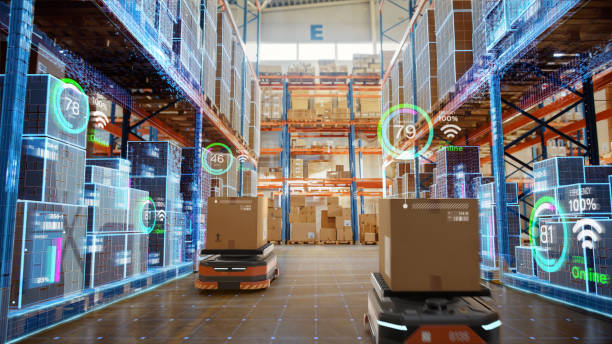
As the global market continues to expand and evolve, businesses are increasingly exploring innovative solutions to optimize their supply chain operations. One of the most significant advancements in this field is the implementation of automated warehousing systems. These systems are proving to be game-changers in New Zealand, significantly enhancing the efficiency, accuracy, and cost-effectiveness of logistics operations. By integrating advanced robotics and automation technologies, businesses are able to streamline their processes, reduce human error, and meet the growing demands of the digital economy. This article delves into how automated warehousing is revolutionizing supply chains in New Zealand, highlighting the benefits and providing insights into current trends.
The Rise of Automated Warehousing
Automated warehousing involves the use of automated systems and robotics to handle warehouse operations that were traditionally performed manually. These systems are designed to efficiently manage tasks such as storage, retrieval, and inventory management, leading to increased operational efficiency.
Key Advantages
- Enhanced Efficiency: Automation reduces the time taken for picking and sorting, leading to faster order fulfillment.
- Improved Accuracy: Automated systems minimize human errors, ensuring precise inventory management and order processing.
- Cost Reduction: By reducing labor costs and improving energy efficiency, businesses can achieve significant savings.
- Scalability: Automated solutions can be easily scaled to meet the changing needs of a business without significant additional investment.
To learn about tailored solutions for automated warehousing, businesses can discover expert strategies here.
Current Trends in New Zealand
New Zealand is at the forefront of adopting automated warehousing technologies. Several trends are shaping the landscape, making it a hub for innovation in logistics.
- Integration with AI: The integration of artificial intelligence with automated systems is enhancing predictive analytics, allowing for more accurate demand forecasting.
- Sustainability Initiatives: Companies are focusing on sustainable practices by using energy-efficient robots and reducing waste in warehousing processes.
- Customization of Solutions: Businesses are increasingly seeking customized automation solutions tailored to their specific operational needs. Find out more about this approach.
Challenges and Considerations
Despite the numerous benefits, there are challenges associated with implementing automated warehousing systems. Companies need to consider several factors to ensure successful integration.
- Initial Investment: The cost of setting up automated systems can be high, requiring careful financial planning.
- Technical Expertise: There is a need for skilled personnel to manage and maintain these advanced systems.
- Security Concerns: As with any digital system, automated warehousing solutions must be safeguarded against cyber threats.
For businesses looking to navigate these challenges, it is crucial to explore advanced guides and tips.
The Future of Supply Chain Management
The future of supply chain management is undoubtedly intertwined with the advancements in automation and robotics. As technology continues to evolve, businesses that adopt automated warehousing systems will be better positioned to respond to market changes, enhance customer satisfaction, and achieve long-term success. By staying informed about the latest trends and solutions, companies can ensure they remain competitive in an ever-changing landscape.
For more information on automated warehousing solutions, businesses can learn about our tailored solutions.
About the Author